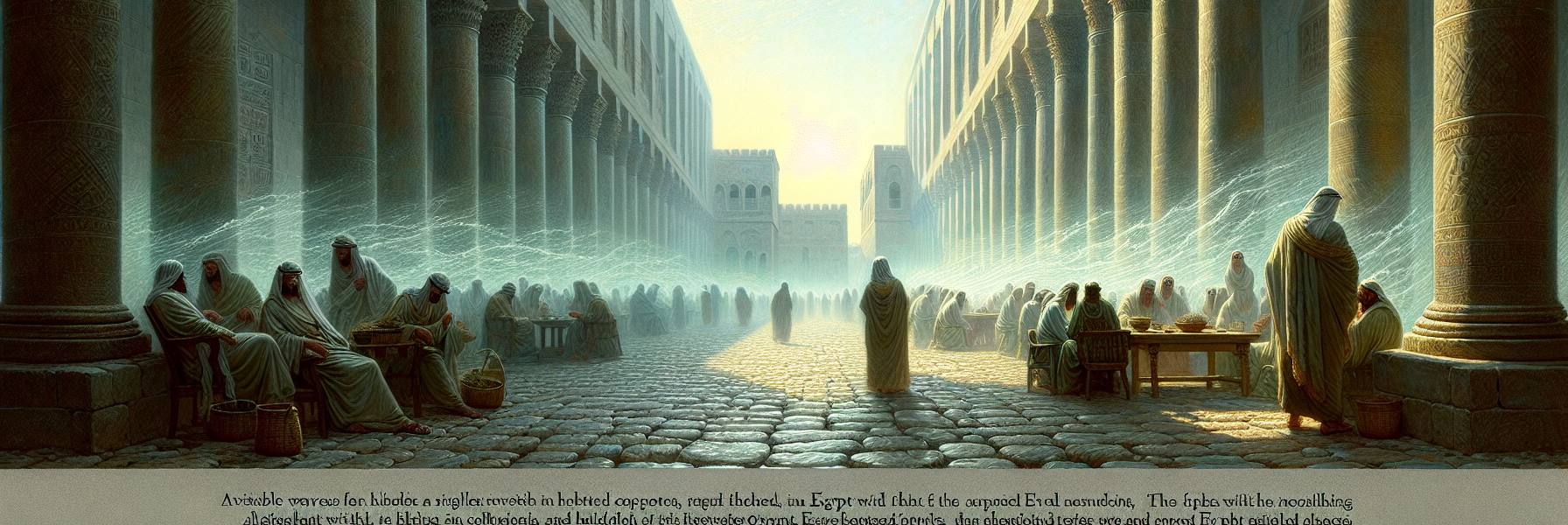

The heat rose in visible waves from the cobblestones of Jerusalem, a trembling veil between the shaded colonnades and the bleached sky. In the upper city, where the air smelled of cedar and crushed mint, the talk was of treaties and cavalry, of the might of Pharaoh’s chariots and the boundless wealth of Cush. King Hezekiah’s counselors spoke in low, urgent tones in the cool halls; an alliance with Egypt seemed not just prudent, but essential. The Assyrian wolf was at the door, and one must seek the strongest ally, even if that ally had been a taskmaster to their ancestors.
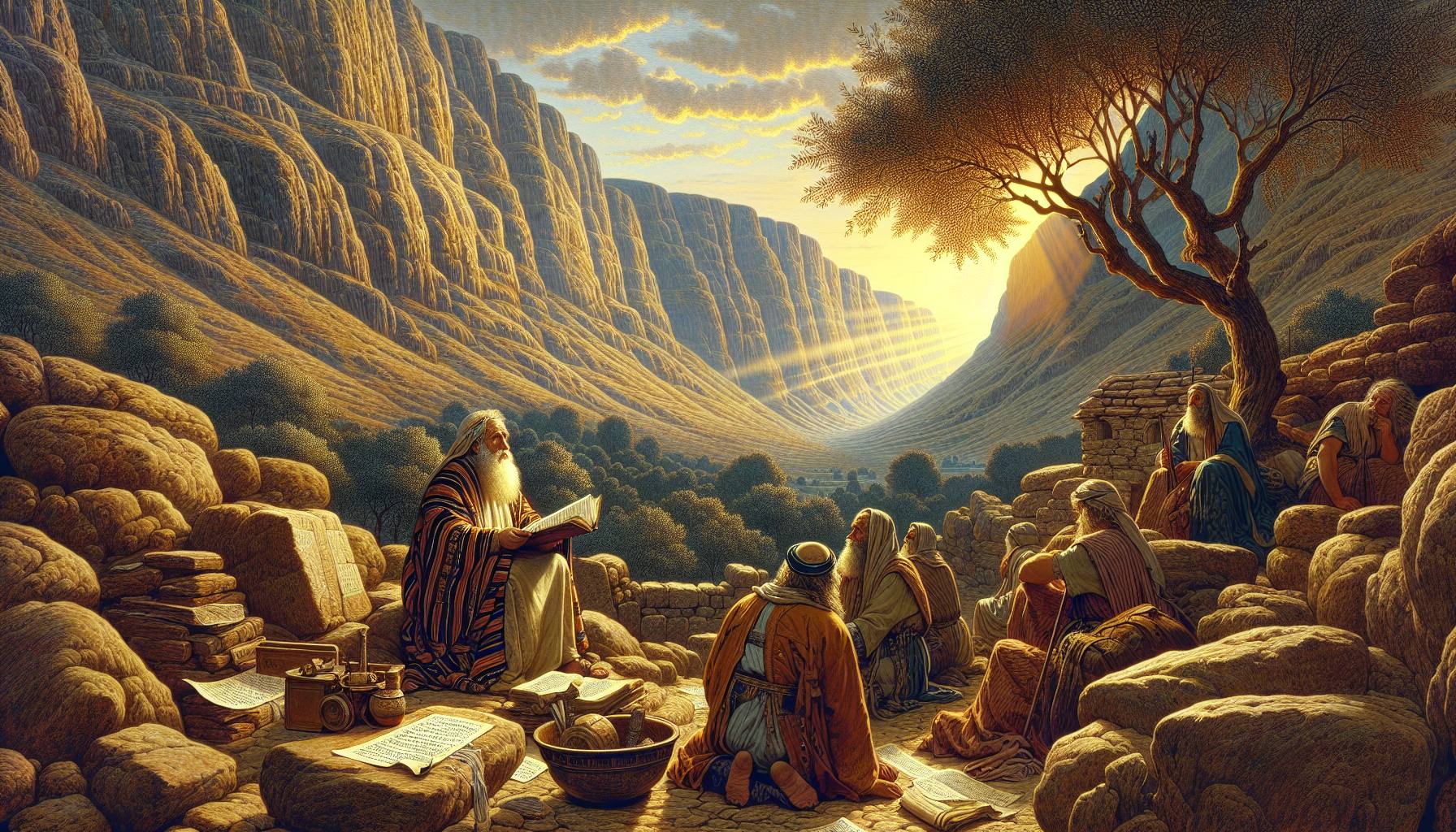
In his small house, Isaiah felt the weight of the word of the Lord, a physical pressure in his chest, a dryness in his mouth that no water could quench. It was not a new burden. For years, his voice had been a solitary trumpet blast against the deafening chorus of political expediency. “Woe to those who go down to Egypt for help,” he had cried, “who rely on horses, who trust in chariots because they are many, but do not look to the Holy One of Israel.” The words had been met with polite disregard, the anxious glances of men who thought the prophet understood the spiritual, but not the practical.
Now the instruction came, clear and terrifying in its simplicity. It was not a metaphor to be spoken, but a parable to be lived. The command was to strip himself, not just of his outer robe, but of the sackcloth he wore as a prophet’s garment—to remove everything until he stood as a captive stands, vulnerable and shamed before his conquerors. And he was to walk this way, not for an hour, but for three long years. A sign. A portent.
The first day was an agony of will. In the dim light of dawn, he removed his tunic and his sandals. The packed earth of his floor was cool, a fleeting mercy. He wrapped a coarse loincloth around his waist, the rough fibre a stark reality against his skin. Stepping into the lane, the morning sun felt like a judgment. The first gaze he met was that of a woman drawing water. Her eyes widened, not with recognition of the prophet, but with shock and immediate aversion. She turned her head sharply, the water jar clattering against the side of the well. Isaiah walked on, the stones of the path sharp and heated, dust coating his feet. He did not preach. He simply walked, a silent, shocking sculpture of disgrace.
Days bled into weeks. The initial scandal hardened into a pervasive, uncomfortable truth. Children, who once might have trailed after him, now fell silent and pointed from doorways. Merchants in the lower market would break off their haggling as he passed, their conversations resuming in hushed, puzzled tones once he was beyond earshot. “It is Isaiah,” they’d whisper. “Has the mind finally left him? Or is this some extreme fast?” The more learned, the ones who occasionally listened to his sermons, felt a colder dread. They remembered his warnings. A man walking naked and barefoot was not a madman; he was a mirror.
He walked the routes ambassadors took from their lodgings to the palace. He stood, silent and exposed, near the gate where military couriers arrived with reports from the south. The message was not in his mouth, but in his flesh. *This*, his body said, *this is what will become of those in whom you place your trust. This is the future of Egypt. This is the end of Cush’s pride.*
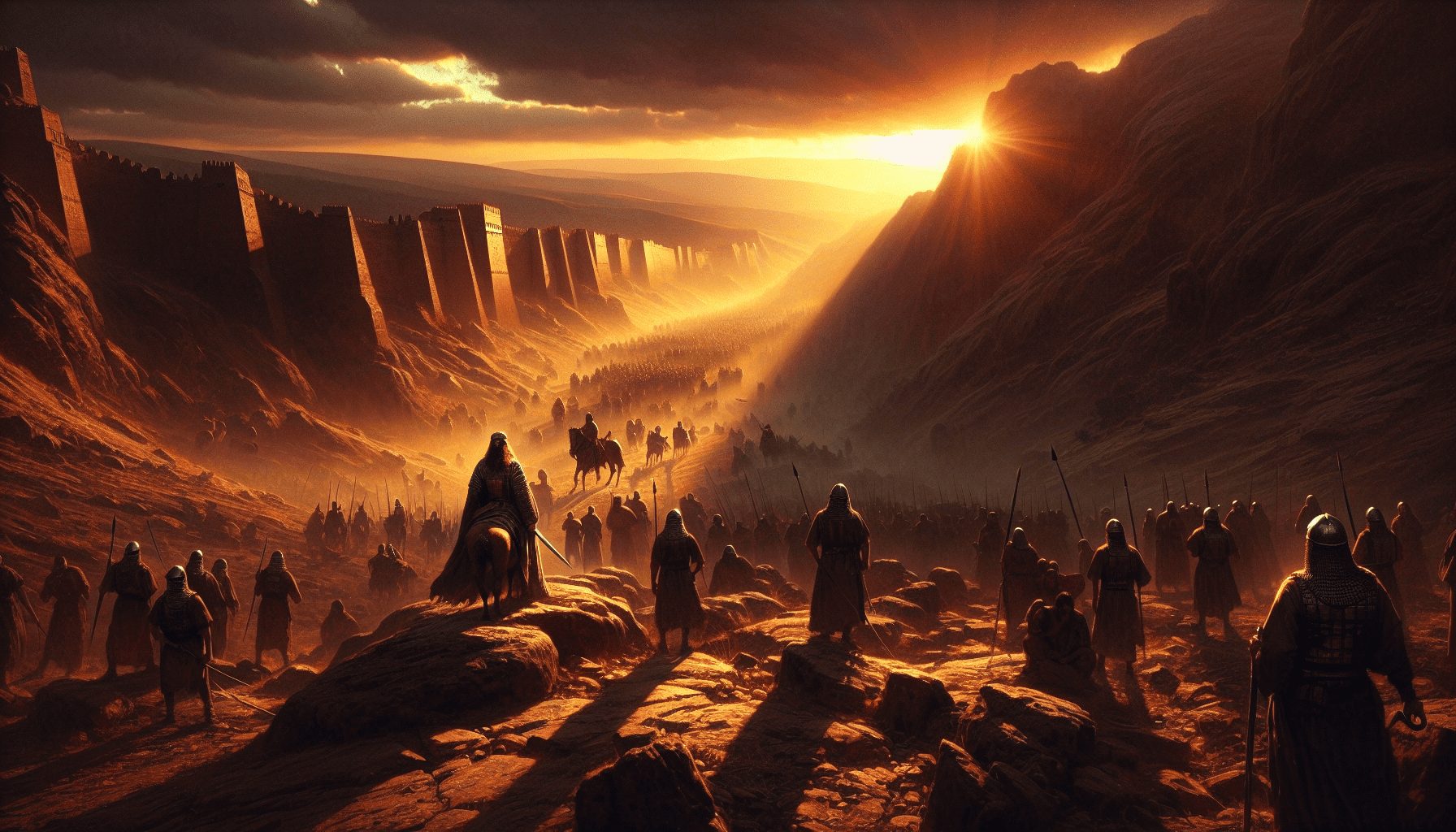
One afternoon, during the second year, a delegation from Philistia arrived, their faces grim. News had come from the coastal road, carried by refugees with ash in their hair. Isaiah, his skin tanned and leathery from sun, his feet calloused and cracked, stood by the Dung Gate as they entered. He saw the Philistine nobles look at him, then look away, then look back with dawning comprehension. They were not seeing a Jerusalemite fool. They were seeing a prophecy they already understood in their bones. The king of Assyria, Sargon, had marched. Ashdod, the great Philistine fortress, had fallen after a brutal siege. And the allies Ashdod had depended upon? Egypt had sent vague promises. Cush had sent nothing. The defenders had been led away, just like this—stripped, barefoot, ropes around their necks.
The Philistines hurried past the naked prophet, but the image went with them into their audience with Hezekiah. It gave a terrible, flesh-and-blood form to their desperate reports.
The full understanding broke upon Jerusalem not with a shout, but with a sickening, quiet realization. When the final news came—that Sargon’s commander had ravaged the Egyptian-Cushite forces, taking countless captives in just such a state of humiliated exposure—the city was strangely silent. The bustling confidence drained away. In the palace, the scrolls of treaty were put aside, their elegant seals suddenly meaningless.
Isaiah, in the third year, felt the shift. The looks he received now were different. No longer scorn or pity, but a kind of horrified reverence. He was no longer a spectacle, but a monument. A walking, breathing *I told you so* etched by God onto the very streets of Zion.
On the day he understood the sign was complete, he returned to his house at dusk. The air was cooler. He stood for a long time in the centre of the room, feeling the ghostly impression of his sandals, the memory of a heavier garment on his shoulders. He slowly put on his simple tunic. The fabric felt alien, a soft weight he had almost forgotten. He slid his feet into his sandals, the leather straps a familiar ritual.
He did not go out to proclaim victory. The silence was the proclamation. The lesson was written in the collective memory of the city: Trust that is placed in the strutting power of nations is a trust placed in a shadow. That shadow, when the true light of judgment falls, will be revealed as nothing. And those who clung to it will find themselves exposed—not as warriors or partners, but as captives. Stripped. Barefoot. And utterly, devastatingly alone, save for the God they had chosen to ignore. The alliance was ashes. The prophet was clothed. And Jerusalem, for a fleeting moment, was quiet before the Lord.