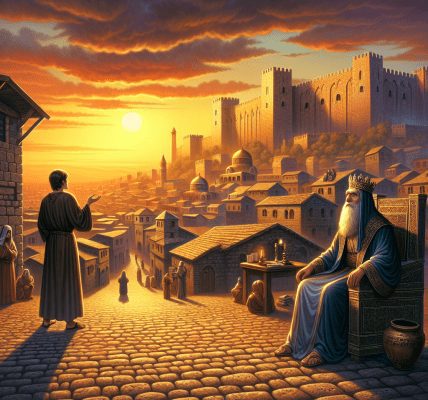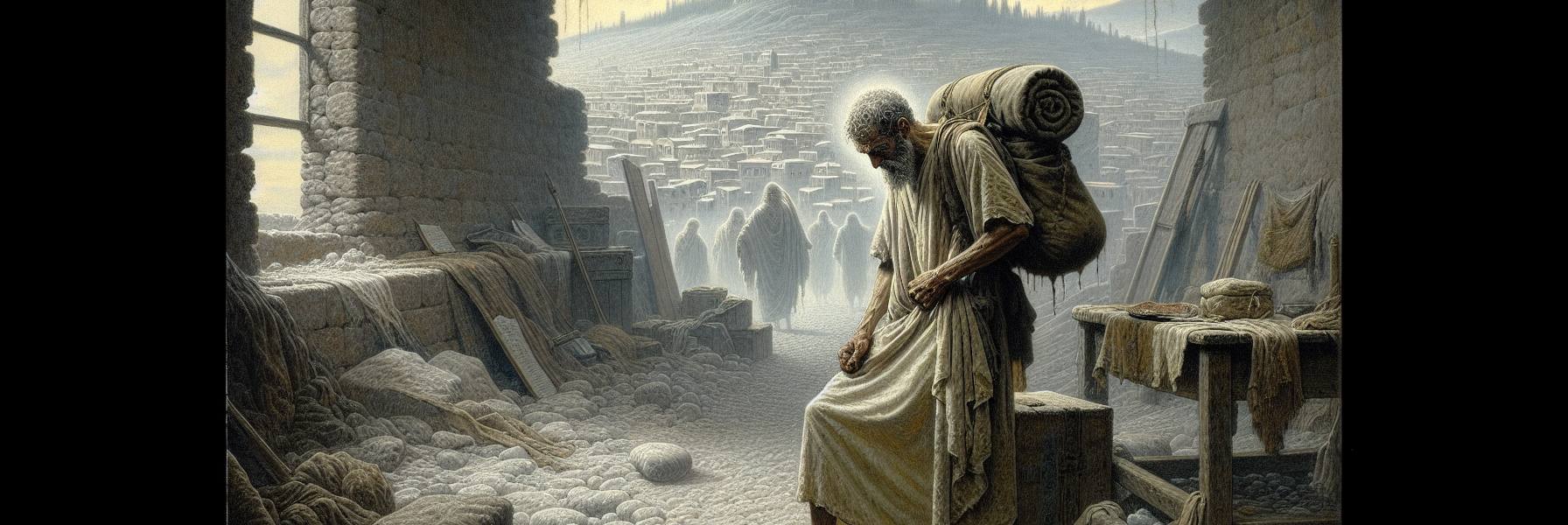

The dust of the Macedonian road was a fine, pale ghost that clung to everything. Titus felt it grit between his teeth, a constant companion to the deeper unease that had settled in his gut. He shifted the worn strap of his pack, the weight of his mission feeling heavier than any physical burden. Corinth lay behind him now, a sprawling silhouette of memory and murmured conversations. He was carrying a city’s sorrow back to one man in a rented room in Philippi.
He found Paul not in vigorous debate or dictating letters, but sitting quietly by a small window, hands resting on a scroll. The apostle’s face, usually a landscape of passionate conviction, was etched with a quiet tension. He looked up, and his eyes asked the question his lips did not.
“They received you,” Paul said, his voice low. It wasn’t quite a question.
Titus dropped his pack, the thud final in the still room. “They did.” He sank onto a stool, the weariness of travel and emotion washing over him. He began to speak, not with a rehearsed report, but in fragments, as the memories returned.
“The heat was brutal when I arrived. The city stank of tar and fish. I went straight to the home of Stephanas, my heart hammering against my ribs like a prisoner’s fist. I didn’t know what face they would show me. Anger? Defensiveness? Cold dismissal?”
He paused, taking the cup of water Paul wordlessly offered. “But it wasn’t any of those things. It was… a silence first. A heavy, listening silence when I read your words to them. I could hear the children shushing each other in the courtyard. Then, it wasn’t silence, but a sound I wasn’t expecting. A kind of collective sigh. Not of relief, but of recognition. Like a bone finally being set after being crooked for too long.”
Paul’s knuckles were white where he gripped the edge of the table. “Go on.”
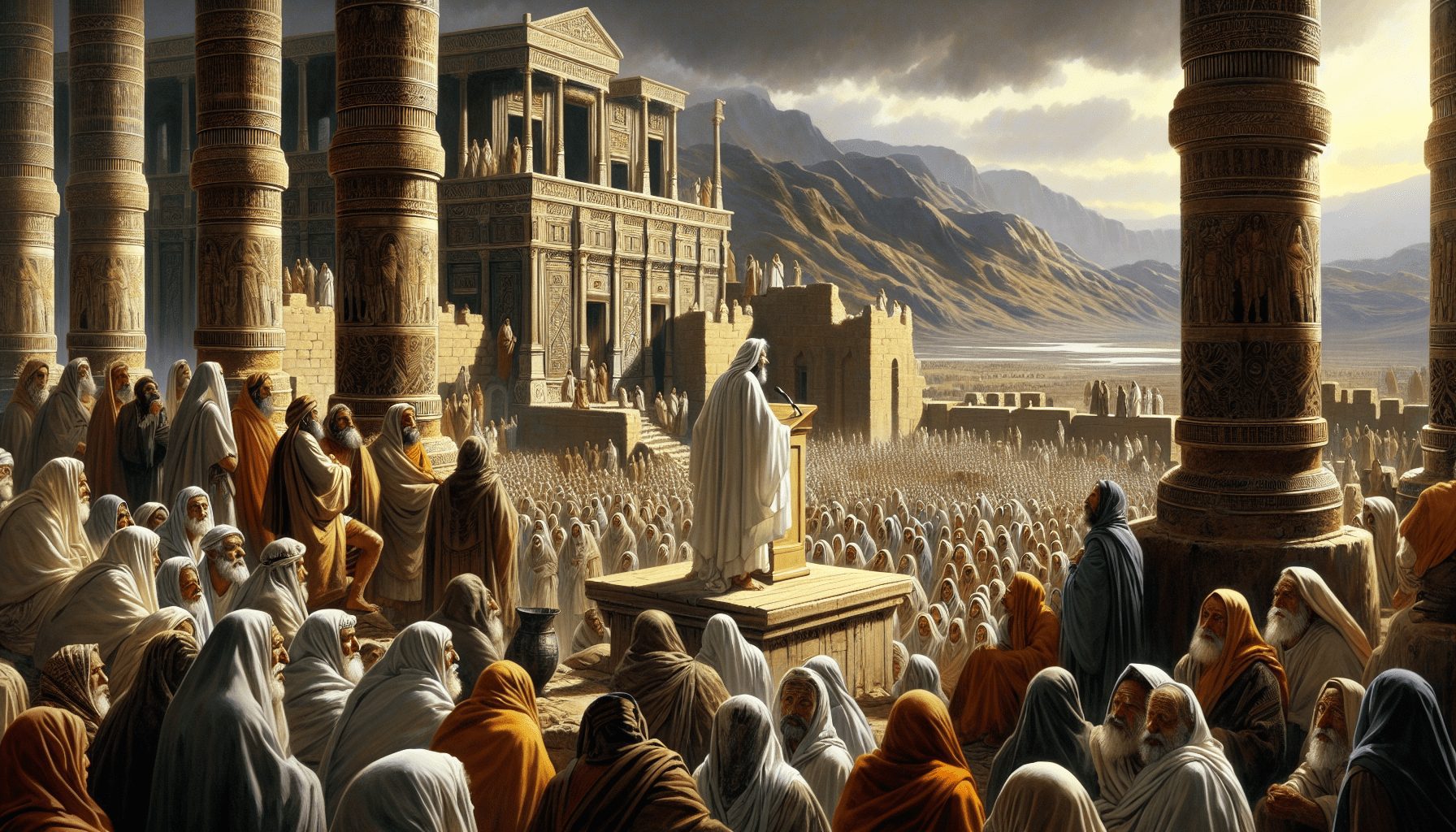
“It was Chloe who wept first. Great, shaking sobs that she didn’t even try to hide. She kept saying, ‘He saw us. He truly saw us.’ And then others… it wasn’t just sadness, Paul. It was a godly grief. You could taste the difference. It wasn’t the bitter gall of wounded pride, or the frantic scrambling to justify themselves. It was the clean, sharp pain of seeing a cherished thing broken by their own hands. Their affection for you—it was everywhere, a current in the room. They were distressed, yes, but it was the distress of a child who has disappointed a beloved father, not of a rebel facing a judge.”
Titus found his own throat tightening, recalling the rawness of it. “They were indignant over the man who caused the scandal, the one you wrote about. A righteous fury, clean and hot. And fear—a proper, trembling fear of having grieved God’s own Spirit. This wasn’t a people scolded into submission. They were… awakened. They longed for you. They missed you with a physical ache. They burned to set things right.”
He leaned forward, his voice dropping to a near whisper. “And they did. The man was confronted, not with a mob’s rage, but with the church’s sorrow. He confessed. He wept. The discipline you prescribed in absence, they enacted in presence. It was severe mercy. It was beautiful and terrible to behold.”
A profound change had come over Paul’s face. The tension melted, not into simple relief, but into a deep, resonant joy that seemed to fill his frail frame. He stood up, pacing the small room, his hands moving as if conducting an unseen symphony.
“You have comforted me,” he breathed, the words thick with emotion. “Not just by coming, but by bringing this news. My letter caused pain—I knew it would. I regretted it, even as I sent it. I lay awake some nights, wondering if the severity would destroy what love had built. But I see now… I see. That letter, born of my own anguish, did not ruin them. It led them to a repentance without regret. A repentance that leads to salvation.”
He stopped, turning to Titus, his eyes shining. “Worldly grief,” he said, the words now sharp and clear, “produces death. It’s a circular thing, a self-consuming regret that festers. But godly grief… ah, Titus! See what earnestness it produced in them! What eagerness to clear themselves! What indignation, what fear, what longing, what zeal! In every way, you have shown yourselves to be pure in the matter.”
Paul returned to his seat, the scroll forgotten. The afternoon light had shifted, painting the room in warm gold. The dust motes danced in the slanted rays. The heaviness that had filled the space when Titus entered was gone, replaced by a palpable, quiet triumph.
“So I am not ashamed of my tears, or my harsh words,” Paul said, his voice calm now, settled. “My boasting about you to Titus was proved true. And his spirit has been refreshed by all of you. My joy now… it isn’t just that the conflict is past. It is that in the crucible of this grief, your faith was proved genuine. Like gold in a furnace. You came through not merely intact, but stronger. Purified.”
Titus sat back, the last of his own anxiety dissolving. He had been the messenger, the connector of wounded hearts across the Aegean. He had carried a spear of a letter and returned with an olive branch woven from repentance and love. The Corinthian dust was still on his sandals, but in this quiet room, he felt the undeniable, humbling truth: sorrow, when given to God, could become a strange and holy seed. And from it, a harvest of joy could unexpectedly, miraculously, spring.