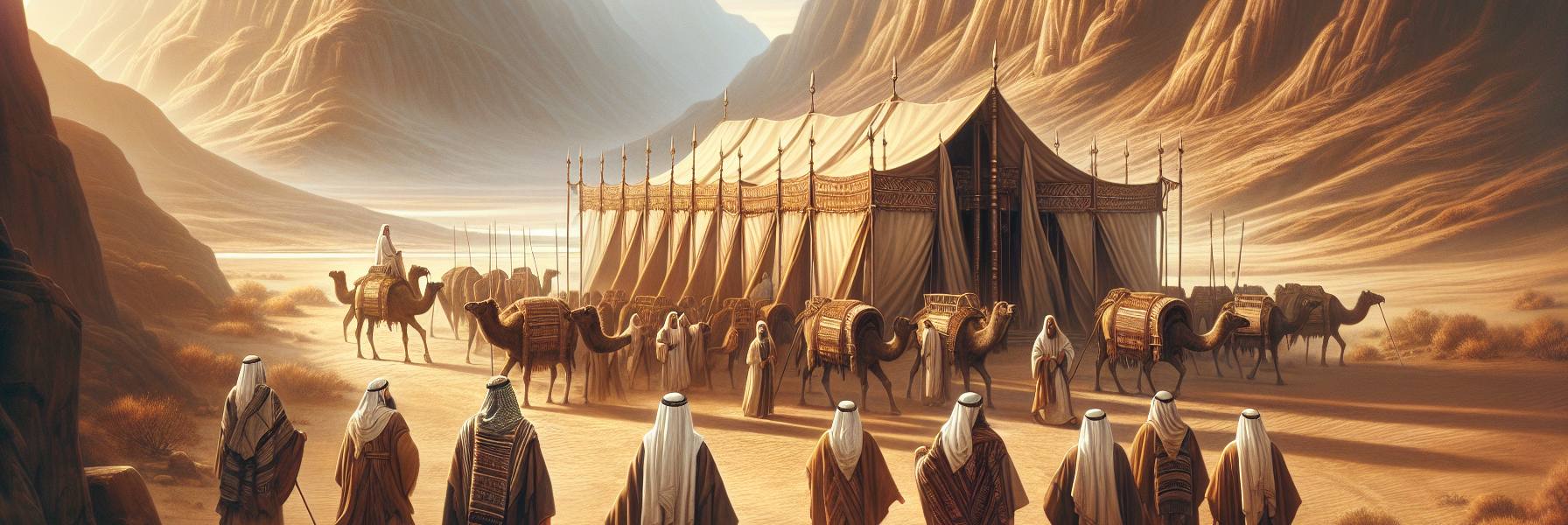

The air in the camp still carried the faint, sacred scent of anointing oil and burnt grain from the consecration. The Tabernacle stood at the center, a sober and splendid presence of linen, acacia wood, and gold, a whisper of heaven’s order amidst the desert’s dust. For Moses, the weight of it all—the law, the people, the sheer, staggering presence of the Lord—was a constant, humbling pressure on his shoulders.
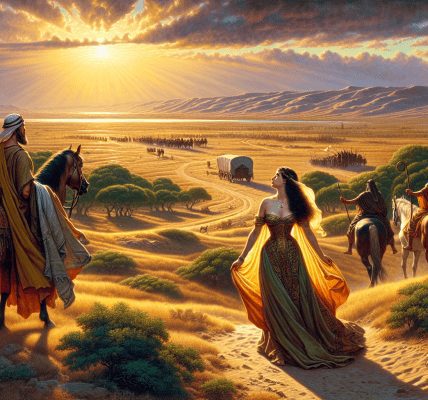
Then came the morning the leaders of Israel approached, a solemn delegation representing each tribe. Their faces were etched with a careful gravity. The project was complete, the dwelling place erected, the altar anointed. But a collective spirit of dedication, a desire to give the project its proper commencement, had settled upon them. They brought before Moses six covered carts and twelve oxen, the wooden wheels creaking a slow, rhythmic protest against the dry ground. “For the service of the Tent of Meeting,” they said, their voices low.
Moses received them, listened, and carried the matter into the Tabernacle’s silence. The answer, when it came, was specific, a division of holy labor. Two carts and four oxen he gave to the Gershonites, for their charge was the vast, heavy curtains and coverings—loads suited to a wagon’s bed. Four carts and eight oxen went to the Merarites, whose burden was the formidable frames: the posts, the crossbars, the sockets and pegs of the entire structure—a weight only carts could bear. But to the Kohathites, who carried the most sacred objects—the ark, the table, the lampstand, the altars—upon their shoulders with poles, he gave none. Their service was a bearing born of proximity and awe, not of wheels.
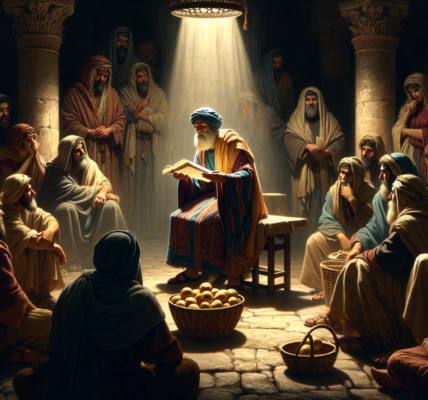
Then, on the day the altar was anointed, the princes came forward again. Not with a collective gift, but each on his own appointed day, over twelve days, in an unfolding pageant of identical, yet profoundly personal, devotion. It was Nahshon son of Amminadab, of the tribe of Judah, who stepped forward first. The order was not of his own choosing, but of the Lord’s, following the arrangement of the tribes in camp. A hush fell, not an empty silence, but one thick with anticipation.
His offering was lavish, yet each item spoke of function and worship: a silver dish and a silver bowl, both full of fine flour mixed with oil for a grain offering; a golden dish of incense; a young bull, a ram, and a male lamb for a burnt offering; a male goat for a sin offering; and two oxen, five rams, five male goats, and five male lambs for the fellowship offering. Each animal was without blemish. The silver dishes gleamed dully in the desert light; the gold of the incense dish caught the sun like a sudden, gentle fire.
Aaron’s sons, still new in their linen tunics, received them. The bull was led forward, its breath pluming in the cool morning air. The hand was laid upon its head, a transfer, a identification. Then the knife, the flash of crimson against the bronze of the altar, the rich, smoky scent of flesh and fat meeting the sacred flame—a scent that would become the very breath of the Tabernacle for those twelve days. The sin offering followed, a sober ritual of atonement. Then the burnt offering, the whole animal ascending, a symbol of complete surrender. Finally, the fellowship offerings, a communal feast before God, the fat and entrails burning, the meat to be shared among the priests. It was a symphony of aromas—blood, smoke, searing fat, and the sweet, dusty perfume of the grain offering and incense.
And so it went, day after day. Nethanel son of Zuar for Issachar came on the second day with the identical array. On the third, Eliab son of Helon for Zebulun. The repetition was the very point. It was not monotonous, but ritualistically profound. Each tribe, regardless of its size or future fame, stood on equal footing before the sanctified altar. The Levites, servants of the house, had no day; their service was their offering.
As the days passed, the people began to mark them by these morning ceremonies. The children would count the princes: “That is Elizur son of Shedeur for Reuben today.” They came to recognize the slight differences—the way Shelumiel son of Zurishaddai of Simeon led his bull with a firmer hand; how Eliasaph son of Deuel of Gad watched the incense smoke rise with a particular intensity; the quiet dignity of Ahira son of Enan of Naphtali as he presented his gifts.
By the twelfth day, when Pagiel son of Ochran of Asher made his offering, the ritual had woven itself into the fabric of camp life. The total was staggering: twelve silver dishes, twelve silver bowls, twelve gold dishes, over a hundred and thirty animals. But the numbers were less significant than the witness. It was a tithe of leadership, a corporate consecration of the nation’s heart to the God who dwelt among them.
When it was finished, Moses went into the Tent of Meeting to speak with Him. There was no image, only a Voice that emerged from above the mercy seat, between the cherubim. And the Voice spoke to him, not of the gifts, but from them. It was a confirmation, a communion born of obedient sacrifice. The gifts had been a silent prayer, and now the prayer was answered with presence. The offerings were not a transaction, but a language. And for twelve days, Israel had spoken, tribe by tribe, in a idiom of silver, gold, and blood, saying the only thing that truly mattered: “We are here, and we are Yours.” The Tabernacle was no longer just a constructed thing. It had been filled, not with furniture, but with intention. It was ready.