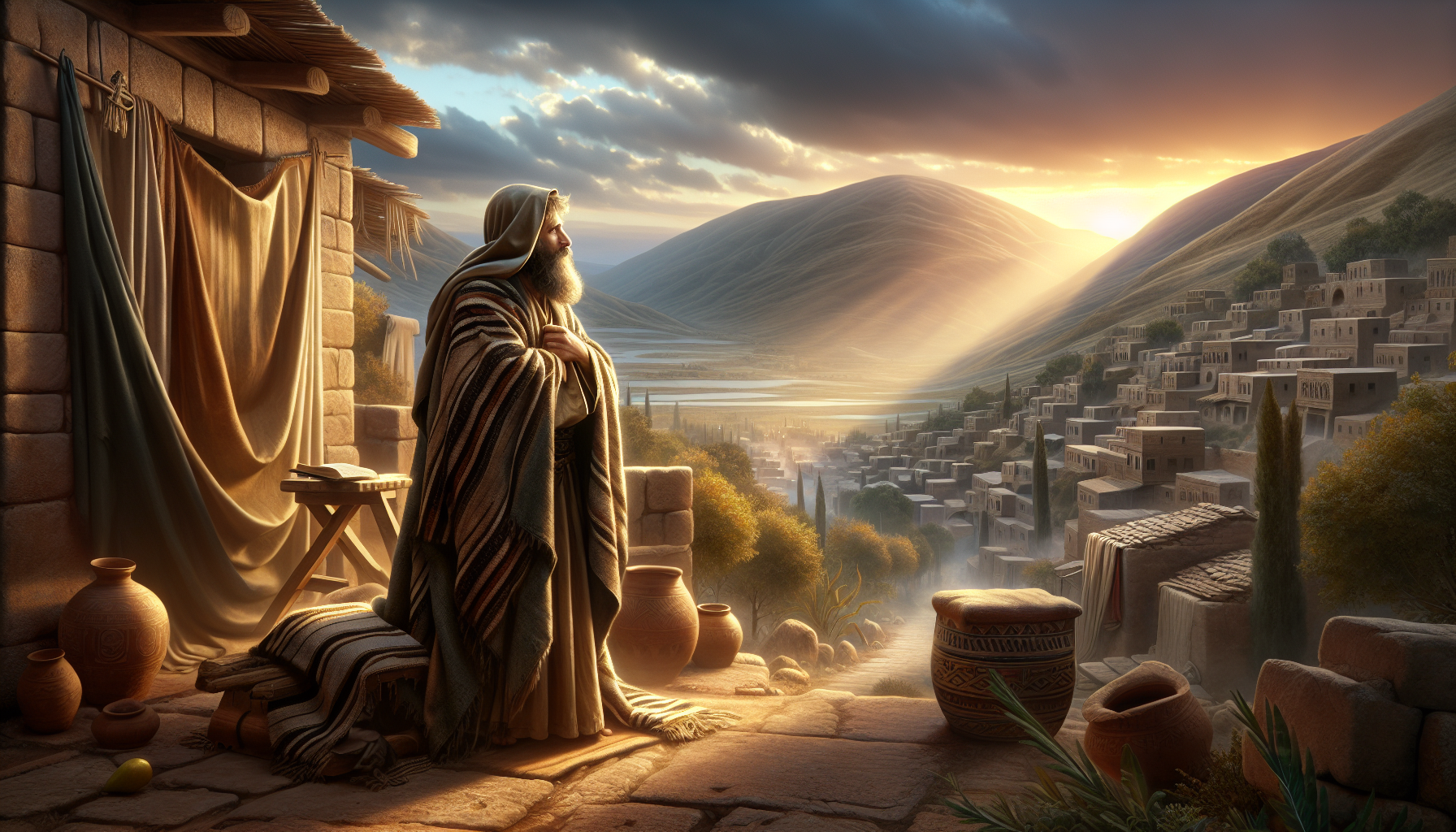
The first psalm does not name a man. It describes one. The opening word—blessed—hangs over the whole poem like a verdict already passed. The psalmist draws a line between two kinds of people, and the line is not drawn by wealth, tribe, or temple rank. It is drawn by what a man listens to, where he stands, and where he sits.
The blessed man walks, stands, and sits in a particular pattern. The verbs move from motion to posture to settlement. He does not walk in the counsel of the wicked. He does not stand in the way of sinners. He does not sit in the seat of scoffers. Each step is a retreat from a different kind of company. The wicked offer advice. Sinners offer a path. Scoffers offer a chair. The blessed man refuses all three.
What replaces that company is the law of the Lord. The psalm says his delight is in that law, and he meditates on it day and night. The word for meditation carries the sound of a low murmur—the kind of sound a man makes when he reads aloud to himself, turning the words over until they become part of his breathing. This is not occasional study. It is constant.
The psalm then shifts to an image. The blessed man is like a tree planted by streams of water. The planting is deliberate. The water is steady. The tree brings forth fruit in its season, and its leaf does not wither. The prosperity mentioned here is not about money. It is about staying alive and productive when other things dry up. The tree does not move. It does not chase rain. It is planted where the water runs, and it yields what it is supposed to yield when the time comes.
The wicked are not like that. The psalm gives them a different image: chaff. Chaff is the husk that blows away when the grain is winnowed. It has no root, no water, no weight. The wind drives it, and it is gone. The psalm does not say the wicked are punished. It says they are insubstantial. They do not hold their ground.
The judgment will expose that. The wicked will not stand in the judgment, and sinners will not stand in the congregation of the righteous. The same verb—stand—that opened the psalm returns here. The wicked stood in the way of sinners during their lives, but they will not stand when it matters. The congregation of the righteous is not a building. It is the assembly of those who belong to the Lord, and the wicked have no place there.
The final verse gives the reason. The Lord knows the way of the righteous. The word knows here means more than awareness. It means intimate recognition, approval, ownership. The Lord knows that way because He is in it. The way of the wicked, by contrast, perishes. It does not lead anywhere. It ends.
The psalm does not promise that the blessed man will be rich or famous or safe from trouble. It promises that he will be like a tree by water. That is enough. The tree does not need to know where the stream comes from. It only needs to stay planted.
The poem is short, but it sets the terms for everything that follows in the book. Every other psalm assumes this division. The blessed man is the one who has chosen his company and his meditation. The wicked are the ones who have chosen otherwise. The psalm does not argue. It simply draws the line and lets the reader decide which side he stands on.