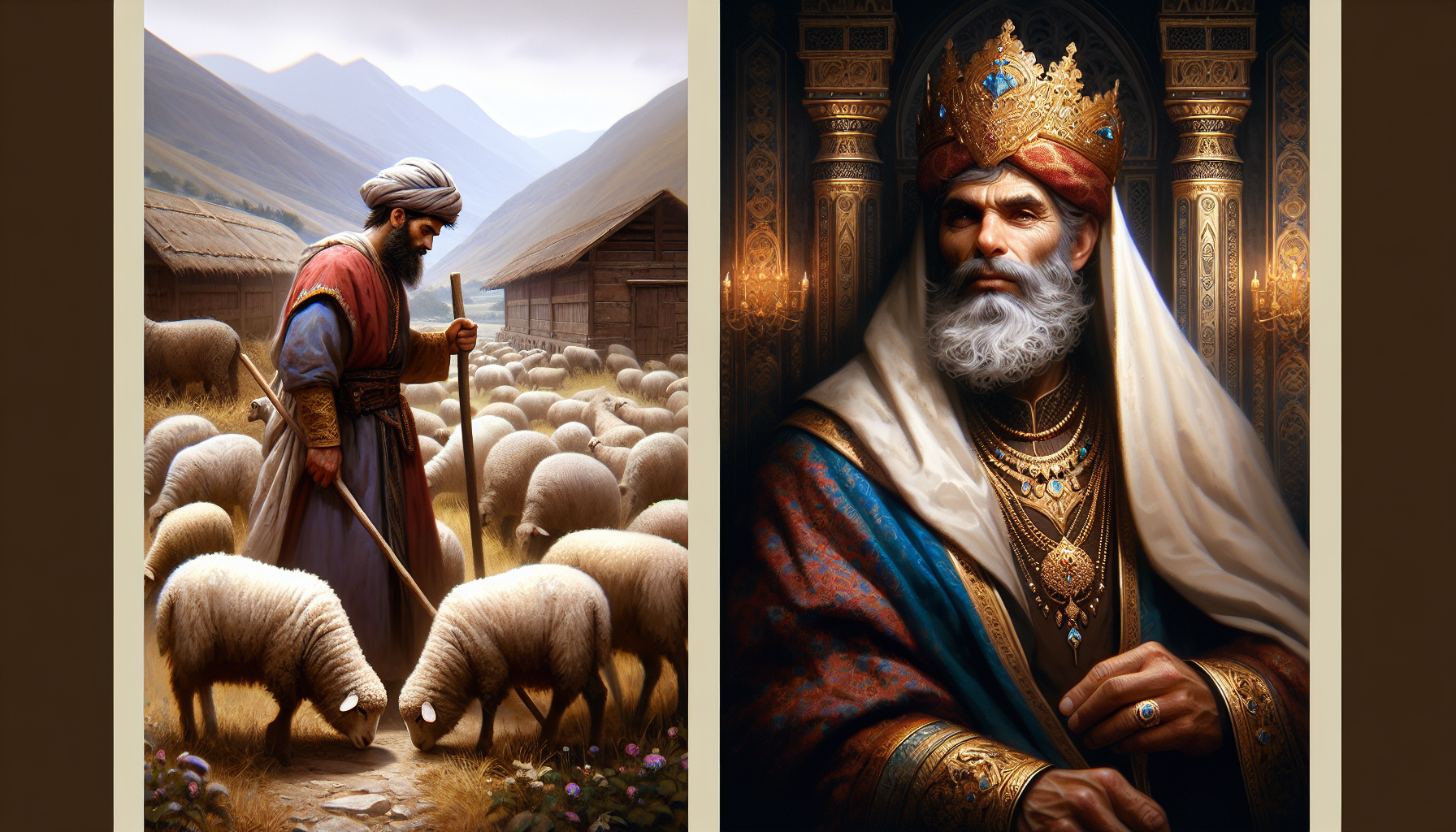
The psalm opens with a question that is not answered quickly. The psalmist asks why the Lord stands far off and hides himself in times of trouble. This is not a theoretical question. It comes from the experience of watching the wicked hunt down the poor while God does nothing visible. The psalmist does not explain why God seems absent. He simply records the cry.
The wicked are described in blunt terms. They boast about what their hearts desire. They bless the greedy and renounce the Lord. Their pride is not a private attitude. It shapes what they say about God. The wicked tell themselves that God will not require anything from them. All their thoughts assume there is no God who sees or judges.
Their confidence is unshaken. Their ways seem firm at all times. The Lord's judgments are far above, out of their sight. They puff at their adversaries as if they were nothing. They say in their hearts that they will never be moved, that they will never see adversity. This is not a momentary arrogance. It is a settled conviction that they are safe from any reckoning.
The psalmist catalogues what comes out of the wicked person's mouth. It is full of cursing, deceit, and oppression. Under his tongue is mischief and iniquity. The words are weapons. They are not idle talk. They are part of a strategy to harm the helpless.
The wicked do not act openly. They sit in the lurking places of the villages. In secret places they murder the innocent. Their eyes are set against the helpless. The psalmist compares them to a lion crouching in its covert. They lie in wait to catch the poor. They draw the poor into a net and drag them down. The helpless fall by the strength of the wicked.
And the wicked believe they are safe from detection. They say in their hearts that God has forgotten, that he has hidden his face and will never see what they do. This is the core of their sin. They do not merely break the law. They deny that there is any witness to their crimes.
The psalmist turns from describing the wicked to calling on the Lord. He cries out for the Lord to arise and lift up his hand. He pleads with God not to forget the poor. He asks why the wicked are allowed to contemn God and say in their hearts that God will not require it. The question is not a doubt. It is an appeal for action.
The psalmist then states what he knows. The Lord has seen the mischief and the spite. He will requite it with his own hand. The helpless commit themselves to him. He has been the helper of the fatherless. This is not a hope. It is a statement of fact based on what the Lord has done before.
The psalm ends with a bold petition and a declaration. The psalmist asks the Lord to break the arm of the wicked and to seek out his wickedness until there is none left. Then he declares that the Lord is King forever and ever. The nations have perished out of his land. The Lord has heard the desire of the meek. He will prepare their heart and cause his ear to hear. He will judge the fatherless and the oppressed so that man who is of the earth may be terrible no more.
The psalm does not explain when or how this judgment will come. It does not soften the tension between the present suffering of the poor and the apparent silence of God. It simply holds both realities together: the wicked seem to prosper, and the Lord is still King. The psalmist does not resolve the problem. He brings it to the Lord and waits.