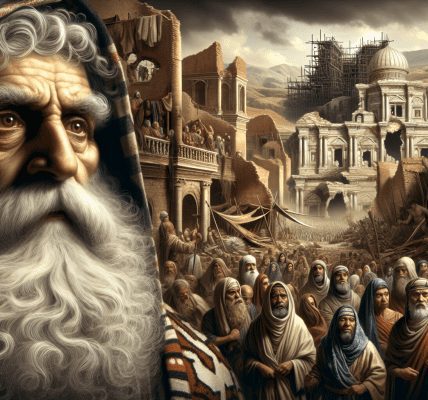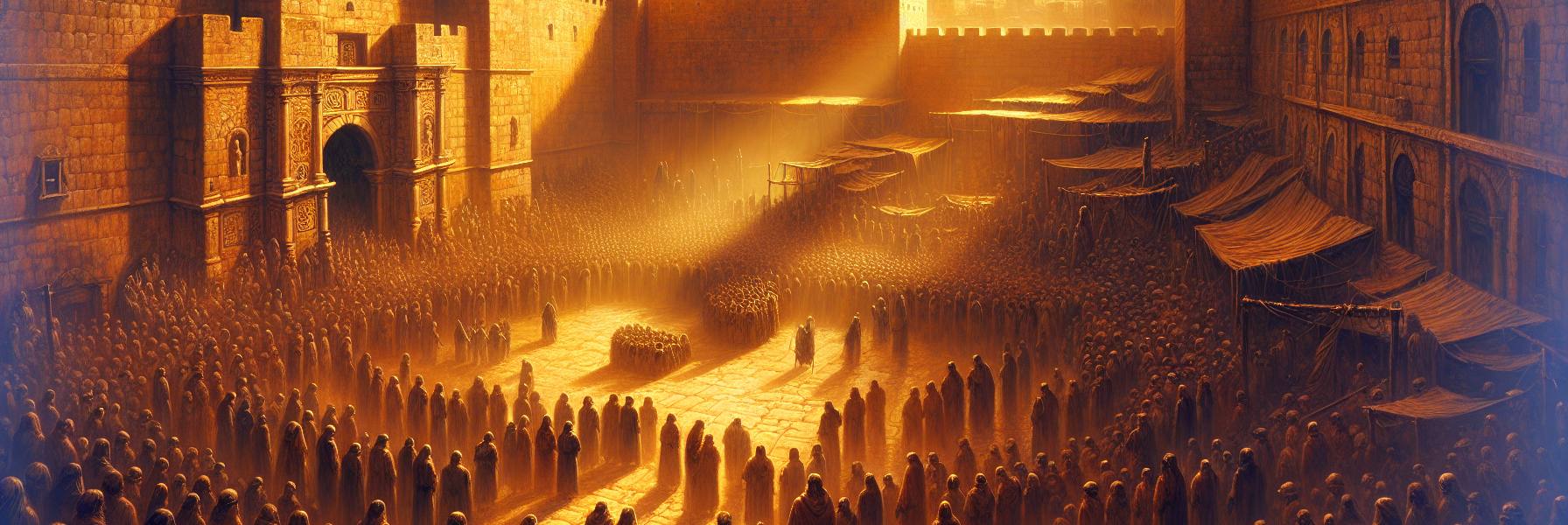

The air in Jerusalem held a particular quality that morning—a dusty, golden heaviness, as if the very sunlight had weight. It was the weight of memory, of rubble once piled high now formed into a scarred but defiant wall. And it was the weight of words, spoken and written, that now settled over the assembly.
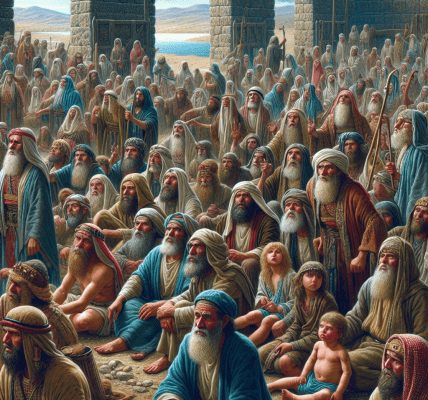
Ezra’s voice had finally fallen silent. For hours, it had risen and fallen over the crowd gathered in the broad space before the Water Gate, a river of law and prophecy, of confession and lament. The sound of weeping still hung at the edges of the gathering, a quiet, shivering echo. But now, a different sound took its place: the rustle of cloth and the shuffle of feet, the collective intake of breath from thousands of lungs. The reading was over. The moment for doing had come.
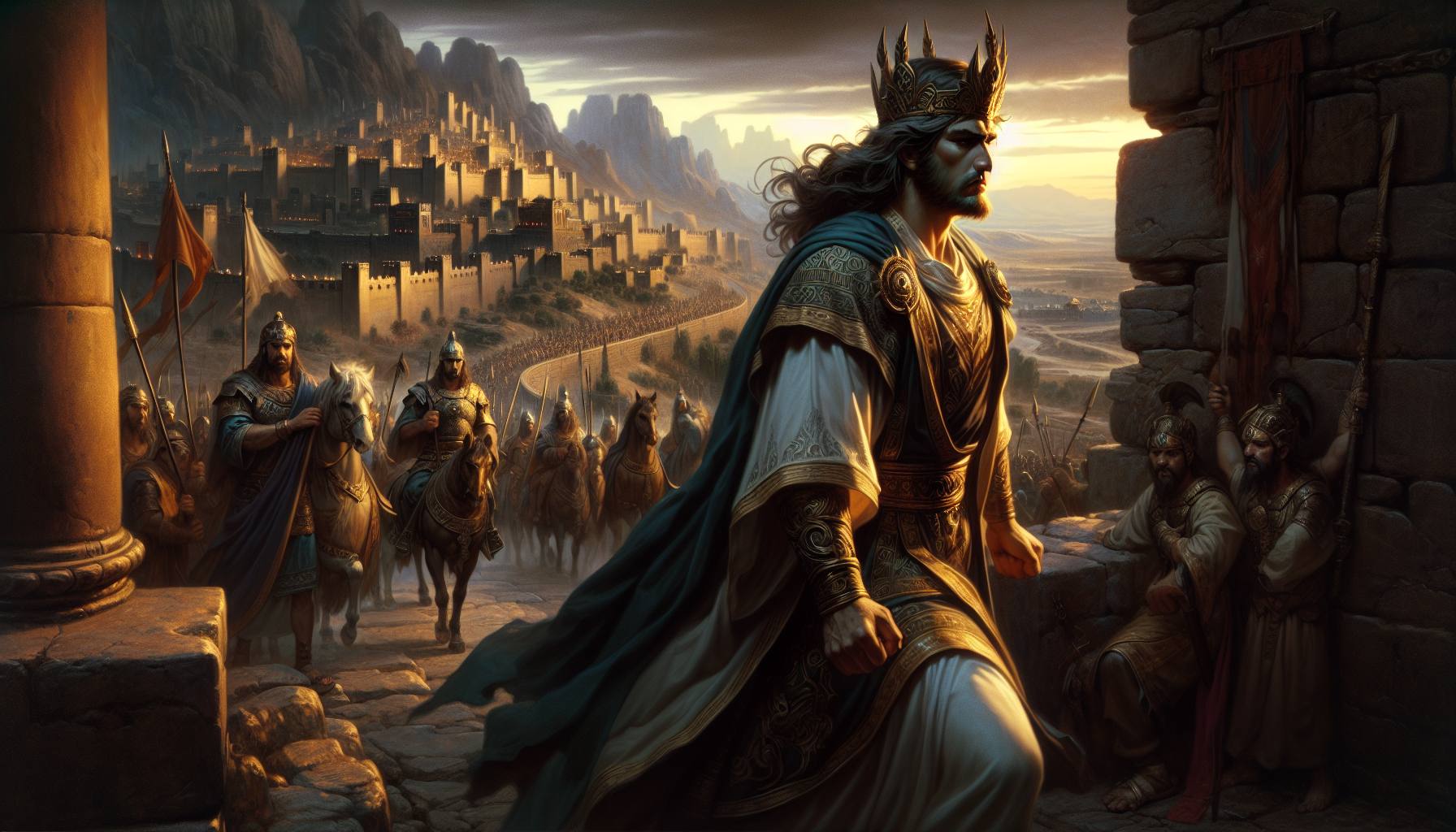
At the front, on a raised platform of new-cut stone, Nehemiah the governor stood. He looked older than his years, his face etched with the fatigue of administration and opposition, but his eyes were clear and fierce. Beside him, the priests in their linen tunics formed a solemn line. Among them was my father, Eliashib. I, Shallum, watched from a place among the Levites, my own heart thudding against my ribs. We had heard the Law, and in hearing, had been cut to the quick. We had seen the pattern of our fathers’ failures—the neglected Sabbaths, the marriages that had drawn us into foreign altars, the tithes left ungiven that left the house of God forsaken. The gap between what was and what should be was a yawning chasm.
Nehemiah did not shout. He spoke, and his voice carried on that heavy air. “You have heard the words,” he said, his gaze sweeping over the sea of faces—elders, water-drawers, perfumers, merchants, heads of households. “You have confessed the truth of them. The Lord has been faithful. We have not. Now, we must bind ourselves to a different path.”
A great scroll, fresh and pale, was brought forward. The scribes had been preparing it for days, its surface a blank field awaiting our promises. It was not a new law. It was a covenant, a solemn agreement to obey the Law we already had.
“We will not give our daughters to the peoples of the land,” Nehemiah’s voice rang out, stating the first term, “nor take their daughters for our sons.” A murmur of assent, low and firm, went through the crowd. I thought of the girl from Ashdod I had once fancied at the market, her laughter like a strange melody. That path led to complacency, to the slow death of our distinct calling. The murmur solidified into a collective nod.
“We will forego the produce of the seventh year,” he continued, “and the exaction of every debt.” This was harder. I saw Hananiah, a merchant who had loaned seed-corn to struggling farmers, close his eyes for a moment. Letting go of what was legally yours was a tangible surrender. But he opened his eyes and bowed his head. The land needed its Sabbath, and the poor needed relief. It was justice, not just piety.
The commitments unfolded, each one a practical plank across that chasm of failure. The annual temple tax of a third of a shekel for the bread of the Presence, the lambs, the rituals. The wood offering, so that the fire on the altar would never go out for want of fuel. The firstfruits of our ground and trees, the firstborn of our herds. And the tithes—the full, faithful tenth for our brothers the Levites, who had no inheritance of land.
This last point settled over my own shoulders. As a Levite, I had known scarcity. When the tithes were neglected, we were forced to abandon our posts at the Temple and scratch at our own fields just to eat. The songs went unsung, the gates unwatched. The commitment meant our community’s worship would be sustained. It meant I could do the work I was born to do.
Then the sealing began. Nehemiah, with a firm, deliberate hand, was first. He took the stylus from the scribe and pressed his seal into the soft wax affixed to the scroll. A mark of leadership, of accountability. Then came the priests, my father among them. I watched his bent shoulders straighten as he stepped forward, his old hands firm as he pressed the signet ring bearing our family name—*Eliashib*—into the wax. It was a whisper of permanence.
The Levites were next. My mouth was dry as dust as I approached. Names were called: Jeshua, Binnui, Kadmiel… my name, Shallum. I took the stylus, feeling the eyes of Jerusalem upon me. This was no anonymous vow. This was a public stake, a name on a document before God and man. I pressed my seal. The impression it left was crude compared to the priests’, but it was mine. It meant I was bound.
Then the leaders of the people—the princes, the elders, the porters, the singers, the Nethinim, and “all those who had separated themselves from the peoples of the lands to the Law of God, their wives, their sons, their daughters, everyone who had knowledge and understanding.” That was the breathtaking thing. It wasn’t just the elite. It was the butchers and the bakers, the mothers with babies on their hips, the old men who remembered Babylon. They came forward, household by household, and the scribes’ pens flew, inscribing name after name after name. The sound was a beautiful, scratching symphony of commitment.
The sun was high and hot by the time it was done. The scroll, once pale, was now a dense tapestry of ink and wax, a registry of hope. The air had changed. The golden heaviness was still there, but it was no longer the weight of guilt. It was the weight of a promise, chosen and shared.
We dispersed slowly, not with the agitation of the morning, but with a quiet purpose. My father fell into step beside me as we walked toward the Temple precinct. He didn’t speak for a long while. Then he said, almost to himself, “The wall protects our bodies, Shallum. But that,” he gestured back toward the scroll, now carefully rolled and stored, “that is what will protect our souls. If we keep it.”
He was right. The stones of Jerusalem were finally secure. But that day, we had begun the harder, quieter work of building a different kind of wall—not of limestone and mortar, but of faithful choices, day upon day, name upon name. It was a wall built around a promise, and its gates were gratitude. We had sworn an oath to live differently, not for our own glory, but because we had finally understood the cost of freedom. And for the first time in a long time, walking away from that assembly, the future felt less like a fearsome unknown and more like a path we had agreed, together, to walk.