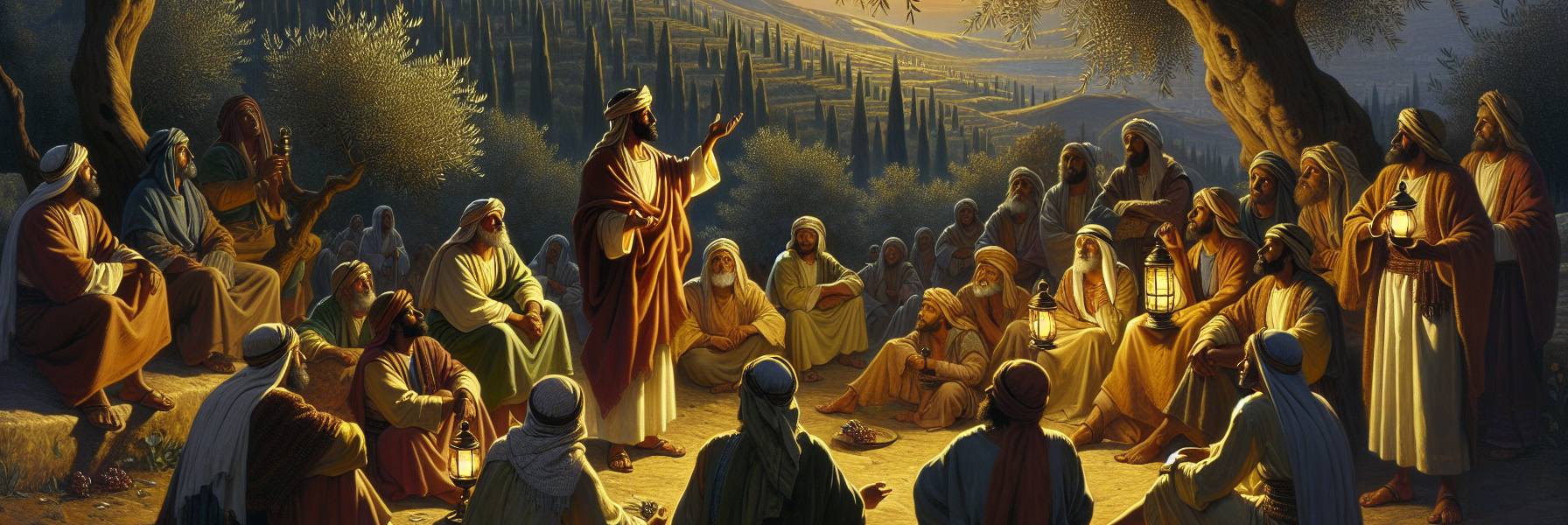

In the quiet stillness of the evening, as the sun cast long shadows across the Mount of Olives, Jesus sat with his disciples, his voice weaving eternal truths into the fabric of the twilight. The air carried the scent of olive blossoms as he began to speak of the kingdom of heaven, his words painting a vision of what was to come.
“Listen closely,” he said, his eyes holding the weight of divine wisdom, “for the kingdom of heaven will be like ten virgins who took their lamps and went out to meet the bridegroom.”
He described five of them as wise, their hands carefully selecting the finest oil, their fingers testing the wicks, ensuring their lamps would burn bright and steady through the darkest hours. The other five, he called foolish, their minds distracted by fleeting pleasures, their lamps filled with just enough oil to kindle a temporary flame, with no thought for the long night ahead.
As the bridegroom delayed his coming, the night deepened like a velvet curtain studded with stars. One by one, the virgins succumbed to sleep, their heads nodding, their breathing becoming slow and rhythmic. Suddenly, at the darkest hour before dawn, a cry shattered the silence: “Behold, the bridegroom comes! Go out to meet him!”
The ten virgins stirred from their slumber, their hands fumbling to trim their lamps. The wise ones produced vessels of extra oil, their movements calm and assured as they replenished their lights until the flames danced brightly against the night. But the foolish ones found their lamps sputtering, the oil nearly gone, their faces illuminated by dying embers.
“Give us some of your oil,” they pleaded with the wise virgins, their voices trembling with desperation, “for our lamps are going out.”
But the wise virgins shook their heads with sorrowful resolve. “Perhaps there is not enough for both us and you,” they answered gently. “Go rather to those who sell and buy for yourselves.”
While the foolish ones hurried away in search of oil, their footsteps echoing in the empty streets, the bridegroom arrived. The wise virgins, their lamps burning like beacons of faithfulness, joined the wedding procession and entered the feast. The door closed behind them with a sound of finality.
Later, the foolish virgins returned, their hands clutching vessels of oil, their faces streaked with tears. “Lord, Lord,” they cried, pounding on the heavy door, “open to us!”
But from inside came the bridegroom’s voice, firm yet filled with sorrow: “Truly, I say to you, I do not know you.”
Jesus let the silence linger for a moment before continuing, his gaze sweeping across the disciples’ faces. “Watch therefore, for you know neither the day nor the hour when the Son of Man comes.”
Then he began another story, his voice taking on the rhythm of a traveling merchant. “For the kingdom of heaven is like a man traveling to a far country, who called his own servants and delivered to them his goods.”
He described how the master, with great wisdom, gave to one servant five talents, to another two, and to another one—to each according to his ability. Then the master journeyed to distant lands, leaving his servants to steward what had been entrusted to them.
The servant with five talents went immediately to work, his mind sharp, his hands diligent. He traded in the marketplace, negotiated with merchants, and watched over his investments until the five talents had grown to ten. Similarly, the servant with two talents applied himself with equal faithfulness, doubling what had been entrusted to him.
But the servant who had received one talent dug a hole in the earth, hiding his master’s money as if burying a secret. Days turned into months, and the talent remained untouched, gathering neither interest nor honor.
After a long time, the master returned and settled accounts with his servants. The first came forward, his face radiant with joy. “Master,” he said, “you delivered to me five talents; look, I have gained five more besides them.”
His master smiled, his eyes shining with approval. “Well done, good and faithful servant; you were faithful over a few things, I will make you ruler over many things. Enter into the joy of your lord.”
The second servant came with similar report, showing how his two talents had become four, and received the same warm welcome and promotion.
Then came the servant with the single talent, his face clouded with fear and resentment. “Master,” he began, his voice edged with accusation, “I knew you to be a hard man, reaping where you have not sown, and gathering where you have not scattered seed. And I was afraid, and went and hid your talent in the ground. Look, there you have what is yours.”
The master’s countenance darkened, not with anger but with profound disappointment. “You wicked and lazy servant,” he replied, his words measured and grave. “You knew that I reap where I have not sown and gather where I have not scattered seed. Therefore you ought to have deposited my money with the bankers, and at my coming I would have received back my own with interest.”
He turned to the other servants standing nearby. “Take the talent from him,” he commanded, “and give it to him who has ten talents. For to everyone who has, more will be given, and he will have abundance; but from him who does not have, even what he has will be taken away. And cast the unprofitable servant into the outer darkness. There will be weeping and gnashing of teeth.”
Finally, Jesus lifted his eyes toward the horizon where the first hints of dawn were beginning to color the sky. He spoke of a time yet to come, when the Son of Man would appear in his glory, accompanied by all the holy angels, sitting upon the throne of his glory.
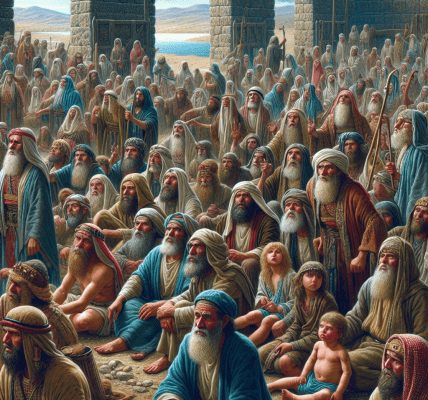
“Before him will be gathered all nations,” Jesus declared, his voice carrying the authority of eternity, “and he will separate them one from another, as a shepherd divides his sheep from the goats. And he will set the sheep on his right hand, but the goats on the left.”
He described how the King would turn to those on his right hand, his face shining like the sun. “Come, you blessed of my Father, inherit the kingdom prepared for you from the foundation of the world. For I was hungry and you gave me food; I was thirsty and you gave me drink; I was a stranger and you took me in; I was naked and you clothed me; I was sick and you visited me; I was in prison and you came to me.”
The righteous would answer in genuine confusion, “Lord, when did we see you hungry and feed you, or thirsty and give you drink? When did we see you a stranger and take you in, or naked and clothe you? Or when did we see you sick, or in prison, and come to you?”
And the King would answer them, “Assuredly, I say to you, inasmuch as you did it to one of the least of these my brethren, you did it to me.”
Then he would turn to those on his left hand, his countenance stern yet grieved. “Depart from me, you cursed, into the everlasting fire prepared for the devil and his angels. For I was hungry and you gave me no food; I was thirsty and you gave me no drink; I was a stranger and you did not take me in, naked and you did not clothe me, sick and in prison and you did not visit me.”
They too would protest, “Lord, when did we see you hungry or thirsty or a stranger or naked or sick or in prison, and did not minister to you?”
But he would answer them, “Assuredly, I say to you, inasmuch as you did not do it to one of the least of these, you did not do it to me.”
As Jesus finished speaking, the first rays of morning touched the mountainside, illuminating the faces of his disciples. The stories hung in the air like sacred incense—stories of preparation, stewardship, and compassion that would echo through the centuries, calling all who heard them to watchfulness, faithfulness, and love made visible through action.