The psalm does not begin in the wilderness. It begins with a summons. The first line is an imperative, a call to make a noise, to sing, to shout to the rock of salvation. The poet does not explain who the rock is or why the noise should be joyful. He simply commands it. The congregation is to come before the Lord with thanksgiving, with psalms, with the full weight of their voices. The reason follows: the Lord is a great God, a great King above all gods. The language is not cautious. It is territorial. The Lord holds the deep places of the earth in his hand. The heights of the mountains are his. The sea is his because he made it. The dry land is his because his hands formed it. The psalmist is not describing a local deity. He is describing the one who owns the entire physical world by right of creation.
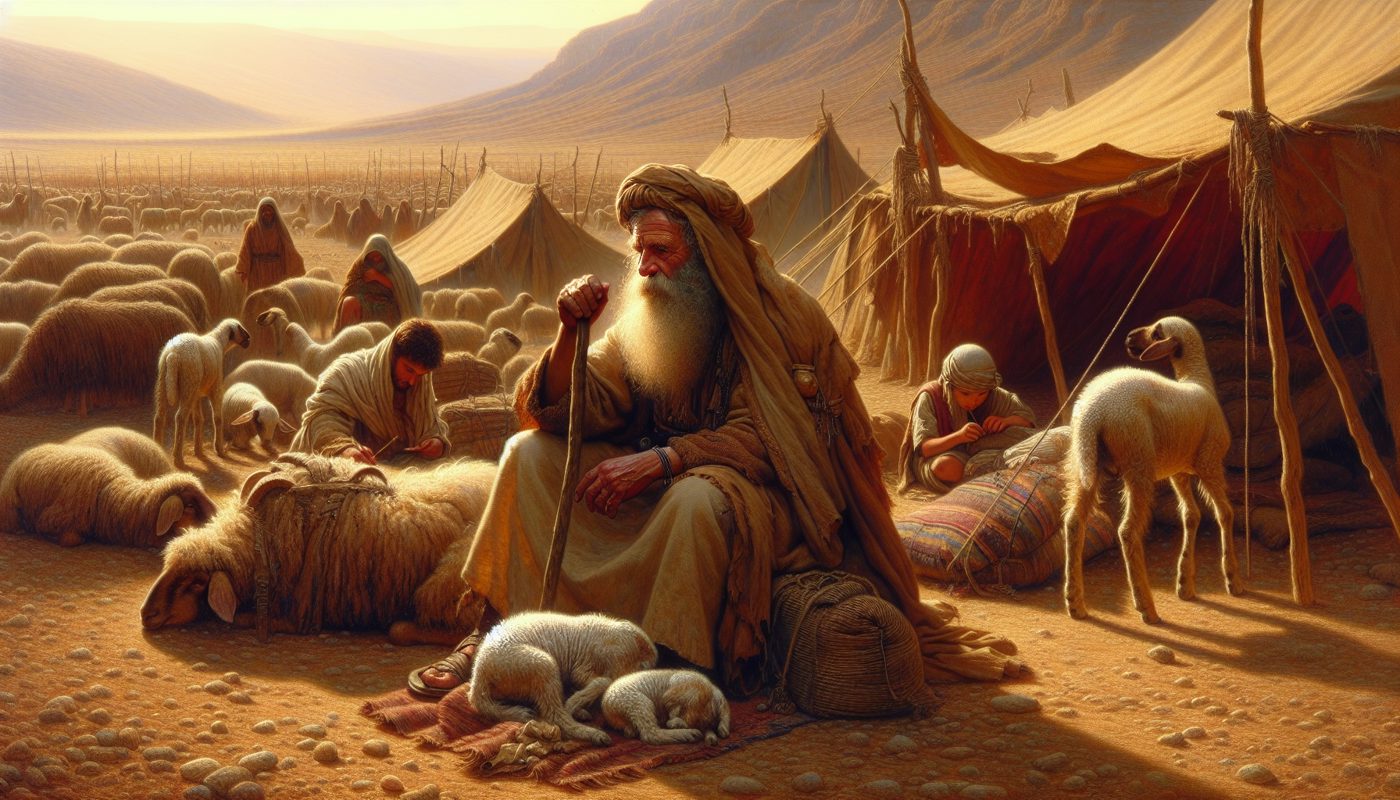
Then the summons shifts. The command to sing becomes a command to worship. The congregation is told to bow down, to kneel before the Lord their Maker. The reason for this second summons is different. It is not that the Lord made the earth, but that he made them. He is their God, and they are the people of his pasture, the sheep of his hand. The image is intimate. A shepherd owns the sheep not by force but by care. The pasture is his provision. The hand is his guidance. The psalmist has moved from cosmic ownership to personal belonging. The congregation is not just standing before a king. They are standing before a shepherd who knows them.
But the summons does not end in comfort. The poet inserts a sharp warning. Today, if you hear his voice, do not harden your hearts. The word today is urgent. It is not tomorrow. It is not next season. It is the present moment of hearing. The warning is drawn from a specific memory: Meribah and Massah in the wilderness. The psalmist does not explain what happened there. He assumes the congregation knows. The fathers tested the Lord. They proved him. They saw his work, and still they hardened their hearts. The result was forty years of grief. The Lord was grieved with that generation. He said they were a people who err in their heart and have not known his ways. The language is blunt. It is not a misunderstanding. It is a heart that refuses to learn.
The psalm ends with an oath. The Lord swore in his wrath that they should not enter into his rest. The word rest is loaded. It is not simply sleep or peace. It is the land itself, the place of settled belonging, the pasture where the sheep can lie down. The generation that hardened its heart at Meribah never entered that rest. They died in the wilderness. The psalmist does not soften this. He does not offer a second chance for that generation. He simply holds up the warning for the present congregation. The same voice that summons them to worship is the voice they must not refuse.
The structure of the psalm is deliberate. The first half is pure invitation. The second half is pure warning. The two halves are held together by the identity of the Lord. He is the maker of the sea and the dry land. He is the shepherd of his people. He is also the one who grieves over a hardened heart. The psalm does not allow the congregation to choose one half and ignore the other. To worship the creator is to hear his voice. To hear his voice is to obey it. The warning is not an afterthought. It is the point of the song.
The reference to Meribah and Massah is not a historical footnote. It is a living memory. The psalmist is saying that the same test that faced the fathers faces the present congregation. The fathers saw the Lord's work in the wilderness. They saw water from the rock. They saw manna from heaven. They saw the pillar of cloud and fire. And still they hardened their hearts. The present congregation has also seen the Lord's work. They have seen the sea parted. They have seen the mountain shake. They have heard the voice from Sinai. The question is whether they will repeat the failure of their fathers.
The psalm does not answer that question. It simply issues the call. Today, if you hear his voice, do not harden your hearts. The call is addressed to the community, not to isolated individuals. The summons to worship is corporate. The warning against hardness is corporate. The rest that was denied to the fathers is a rest that the congregation must still enter. The psalmist is not writing a devotional for private meditation. He is writing a liturgy for a people standing together before their God.
The final note is the oath. The Lord swore in his wrath. The word wrath is not a temper. It is the settled judgment of the one who has been grieved for forty years. The grief is not abstract. It is the grief of a shepherd whose sheep refuse to follow. The rest that was denied is the rest of the land, the rest of the pasture, the rest of the hand that guides. The psalm ends with that denial hanging in the air. The congregation is left to decide whether they will be the generation that enters or the generation that dies in the wilderness.
The psalm is not a song of easy comfort. It is a song that begins with joy and ends with judgment. The joy is real. The judgment is real. The two are not in contradiction. They are the two sides of the same voice. The voice that calls the congregation to worship is the same voice that warns them not to harden their hearts. The psalmist does not explain how to hold those two things together. He simply sings them. The congregation is left to hear, to bow, and to obey.
Comments
Comments 0
Read the discussion and add your voice.
Members only
Sign in to join the conversation
We keep comments tied to real accounts so the discussion stays clean and trustworthy.
No comments yet. Be the first to add one.