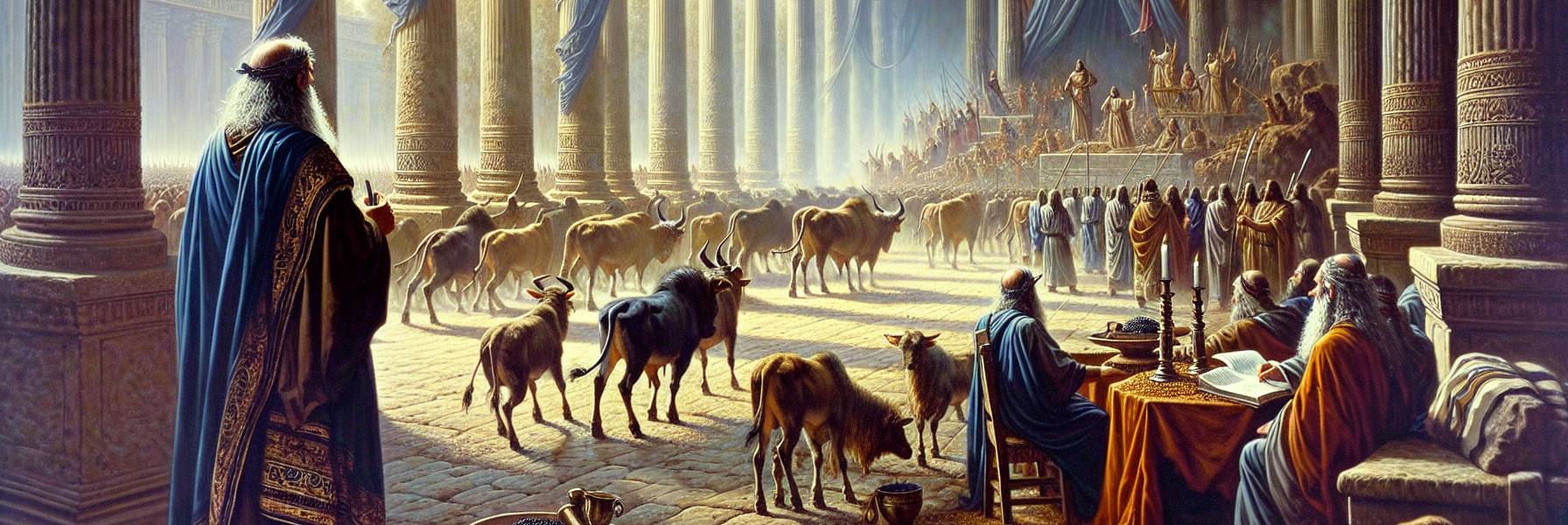

The air in Samaria hung thick, a stew of dust, animal musk, and the sweet, cloying smell of burnt grain. It was the smell of prosperity, or so they told themselves. Eliab, an old scribe whose fingers were stained with more than just ink, watched from the shadow of a colonnade as the morning rituals unfolded in the great square. The new altar, a gleaming slab of imported basalt, was already slick with the blood of bulls. The priests, their robes too fine, moved with a choreographed solemnity that felt to Eliab like a merchant weighing goods.
He remembered the words, the old words, given to the prophet. *“They set up kings, but not through me; they set up princes, but I did not know it.”* The king they had now, Menahem, was a man with a fist of iron and a heart of polished stone. He’d bought his throne with silver from the Assyrian, Tiglath-Pileser, and the price was felt in every shekel of new tax, every young man conscripted to fortify walls that would, Eliab knew, be as straw against the east wind.
The crowd murmured with a festival-like energy. At the center of the square, glinting under a harsh sun, was the object of their fervor: the calf of Samaria. It was a masterwork, there was no denying it. Cast from gold and electrum, its horns were tipped with lapis lazuli, its eyes two deep-cut carnelians that seemed to hold a knowing, empty light. The people bowed, and their prayers rose like smoke—prayers for abundant harvest, for strong sons, for protection from Damascus. They cried, “O our God!” to the work of their own hands.
Eliab’s throat tightened. *“With their silver and gold they made idols for their own destruction.”* The craftsmen had been celebrated, feasted. But the idol was a sentence, not a salvation. It was a mirror, not a god. It reflected only their own ambition, their desperate desire for a deity who would bless their politics, their wealth, their compromises, without the inconvenient demands of covenant.
Later, in a small room that held the scent of old parchment and damp clay, Eliab unrolled a scroll. His task was to draft a treaty, a letter of obeisance to be sent to Assyria, full of flattering titles and promises of unwavering loyalty. He dipped his reed pen, the black ink pooling. *“For they have gone up to Assyria, a wild donkey wandering alone; Ephraim has hired lovers.”* The simile was brutal, perfect. A stubborn, solitary beast, seeking alliances in every direction, paying for affection that was, in truth, enslavement. They sowed the wind of diplomacy in the fields of empires. Soon, they would reap the whirlwind.
He thought of the farmsteads in the valleys he’d passed last season. The land was fertile, yes, but the farming had become frantic, greedy. Every hillside was terraced, every stream diverted. They planted double, triple crops, using methods learned from Phoenician traders. The yield was immense, filling storehouses to bursting. But the soil was thin now, tired. The grain that grew was plentiful but bland, lacking the hearty sustenance of old. *“For they sow the wind, and they shall reap the whirlwind. The standing grain has no heads; it shall yield no flour; if it were to yield, strangers would swallow it up.”* Their bounty was an illusion. It would feed the very invaders they sought to appease.
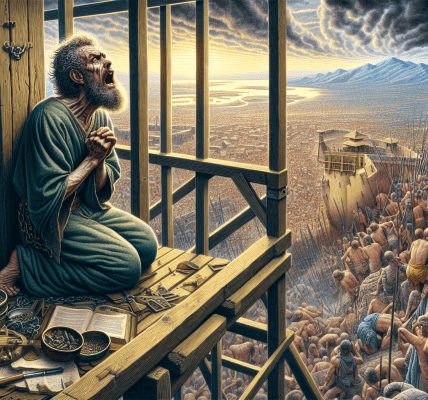
A shout from the walls broke his reverie. A messenger, caked with the dust of the highway, stumbled through the city gate. Eliab went to the window, a small opening of cracked clay. He could hear the man’s ragged voice before he saw the faces of the crowd freeze, then fracture into panic. Raiders from the west. Philistine bands, emboldened by Israel’s distraction with the eastern powers, were sweeping through the unwatched border towns. The storehouses, those proud symbols of their engineered wealth, were the first targets.
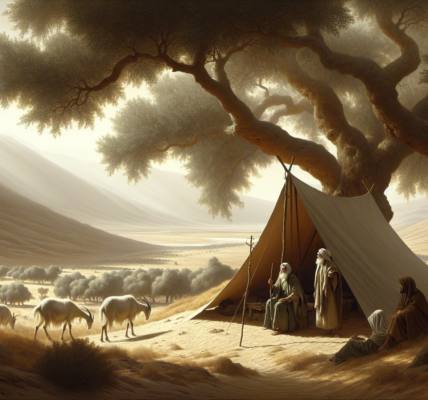
The irony was a bitter taste on Eliab’s tongue. They had built altars to expiate sin, multiplying them with every new anxiety. But these altars, instead of turning them back to the Maker, had become monuments to their own independence. *“For Israel has forgotten his Maker.”* The phrase echoed in the silent chamber of his mind, louder than the panic in the streets. They had not denied him philosophically; they had simply filed him away under ‘obsolete.’ He was the god of the wilderness, of nomadic tents and simple laws, not suited for the complex, glittering reality of a kingdom among kingdoms.
That night, the city did not sleep. The fires of the Philistine raids glowed on the western horizon like false dawns. In the temple of the calf, priests chanted louder, faster, as if volume could compel divinity. Eliab sat in the dark, his treaty unfinished. The whirlwind was not just coming; it was already here, born from the seeds of their own clever, faithless wind. They had written a decree of their own making, sealed it with the seal of their own authority, and now, the parchment was being read back to them in the language of fire and sword. The Maker was not absent. He was, in the most terrible way, honoring their choice—to be a nation without him, left to the logic of the idols they trusted, which was the logic of dust, and silence, and rust consuming gold.