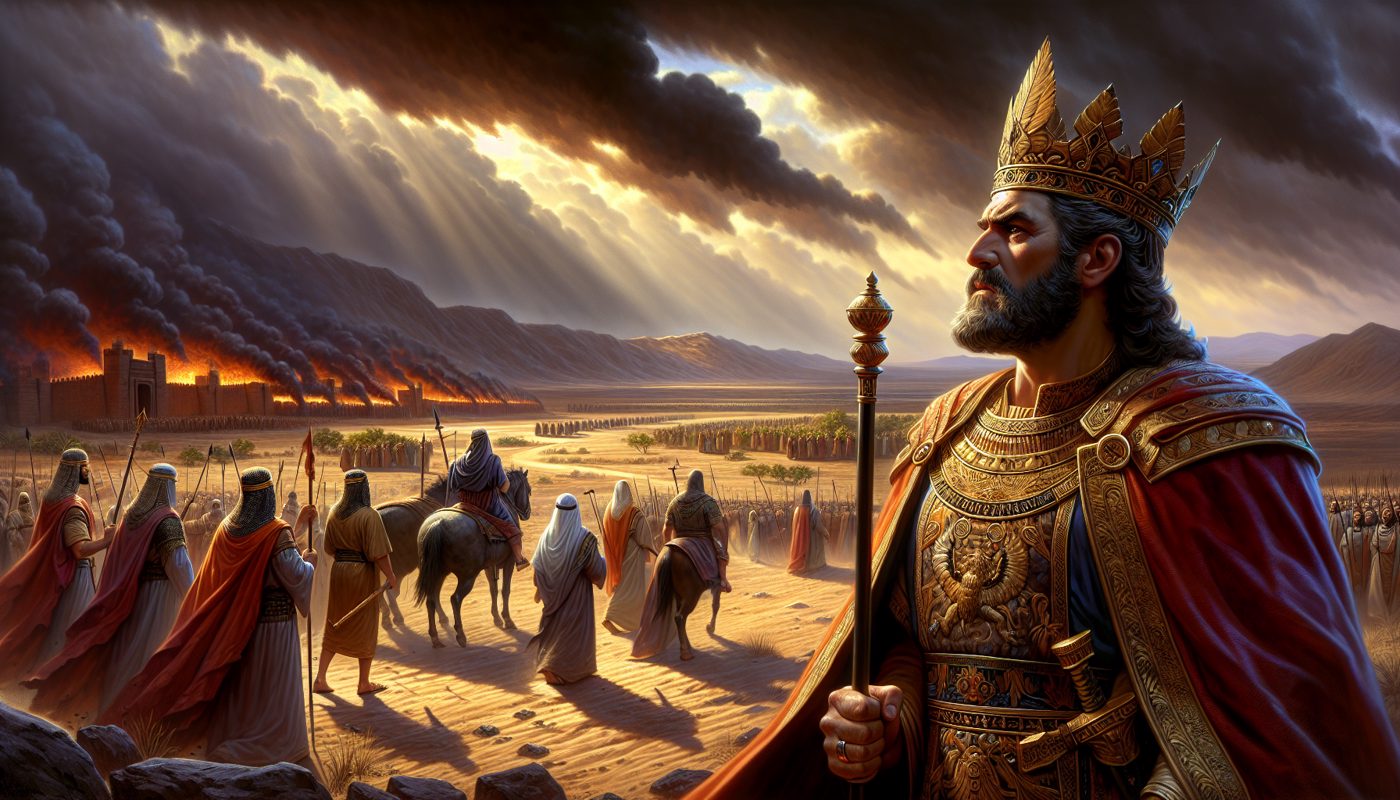
Moses called all Israel together on the plains of Moab and spoke directly to them. He did not speak of distant history or ancestral tradition. He told them that the Lord made a covenant with them, not with their fathers, but with every person standing there alive that day. The covenant was not a relic. It was present, binding, and spoken face to face from the fire on the mountain.
Moses reminded them that he stood between the Lord and the people because they were afraid of the fire and would not go up the mountain. The Lord spoke the Ten Words directly to the assembly. He identified himself as the Lord their God, who brought them out of Egypt, out of the house of bondage. That deliverance was the ground for everything that followed.
The first command was absolute: no other gods before the Lord. No graven image, no likeness of anything in heaven, earth, or water. No bowing down or serving them. The Lord is a jealous God, visiting iniquity on those who hate him to the third and fourth generation, but showing lovingkindness to thousands who love him and keep his commandments.
The name of the Lord was not to be taken in vain. The Lord will not hold guiltless anyone who does so. The Sabbath was to be observed and kept holy, as the Lord commanded. Six days for labor and all work, but the seventh day is a Sabbath to the Lord. No work was permitted for the person, their children, servants, livestock, or the stranger within their gates. The reason was clear: they were once servants in Egypt, and the Lord brought them out with a mighty hand and an outstretched arm. Therefore the Sabbath command stood.
Honor father and mother, as the Lord commanded, so that days may be long and it may go well in the land the Lord gives. Do not murder. Do not commit adultery. Do not steal. Do not bear false witness against a neighbor. Do not covet a neighbor's wife, house, field, servant, ox, donkey, or anything that belongs to a neighbor.
These words the Lord spoke to the whole assembly from the fire, the cloud, and the thick darkness with a great voice. He added no more. He wrote them on two tablets of stone and gave them to Moses.
When the people heard the voice from the darkness and saw the mountain burning with fire, the heads of the tribes and the elders came near to Moses. They said that the Lord had shown them his glory and greatness, and they had heard his voice from the fire. They had seen that God speaks with man and man still lives. But they were afraid. They asked why they should die, for the great fire would consume them. They said that no flesh had heard the voice of the living God speaking from the fire and lived. So they asked Moses to go near and hear everything the Lord would say, and then speak it to them. They promised to hear and do it.
The Lord heard their words and told Moses that they had spoken well. The Lord expressed a longing that they would always have such a heart to fear him and keep all his commandments, so that it might be well with them and their children forever. Then the Lord told Moses to send the people back to their tents. But Moses himself was to stand by the Lord, and the Lord would speak to him all the commandments, statutes, and ordinances that he was to teach the people to do in the land they were about to possess.
Moses concluded with a direct charge. They were to observe and do everything the Lord had commanded. They were not to turn aside to the right or the left. They were to walk in all the way the Lord commanded, so that they might live, that it might be well with them, and that they might prolong their days in the land they would possess.
Comments
Comments 0
Read the discussion and add your voice.
Members only
Sign in to join the conversation
We keep comments tied to real accounts so the discussion stays clean and trustworthy.
No comments yet. Be the first to add one.