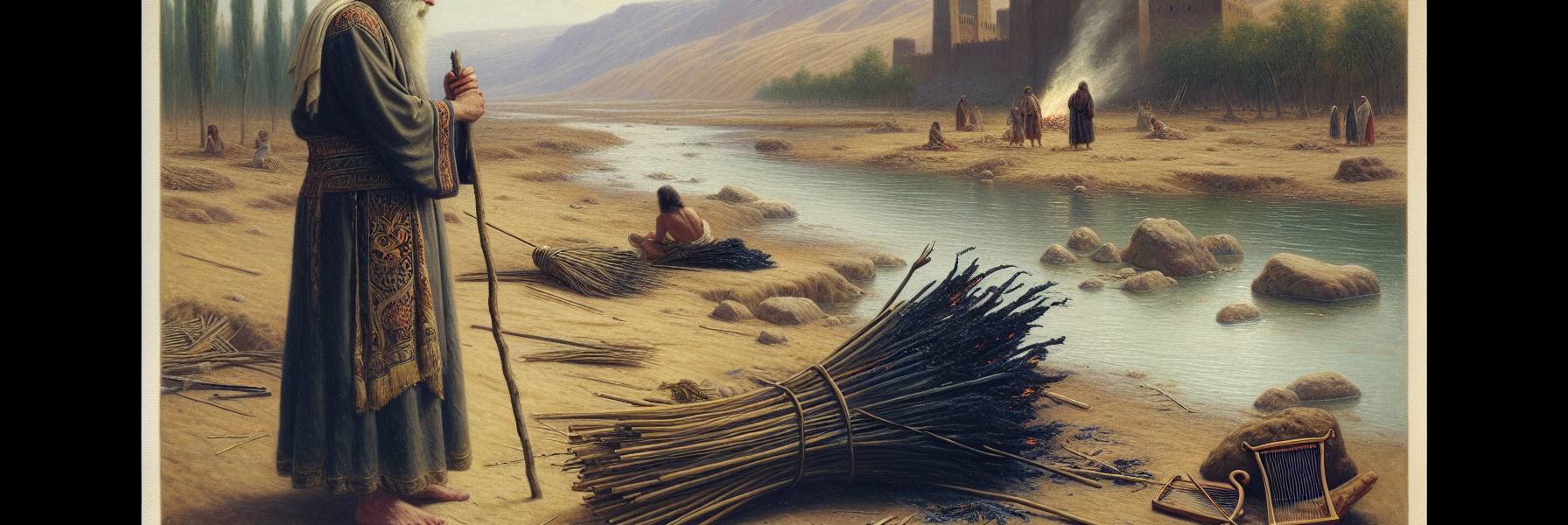

The memory of the reed is of the riverbank, of damp earth and the whisper of current. It does not remember the fire, only the crushing, the splitting, the hiss as its own moisture met the flame. It remembers being useful, once, for a child’s toy or a shepherd’s pipe. Then, nothing. A charred end, a thing discarded in the ashes of a cookfire, good only to be swept away.
That was me. Or so I felt in those years by the waters of Babylon. My name is forgotten, and it does not matter. I was a priest without a temple, a singer without a song. The smoke of Jerusalem’s ending was a permanent taste on my tongue, sharper than the alien spices of this flat, river-threaded land. We hung our harps on the poplar branches, yes, but the silence that followed was worse than the weeping. It was a void where God’s voice had been.
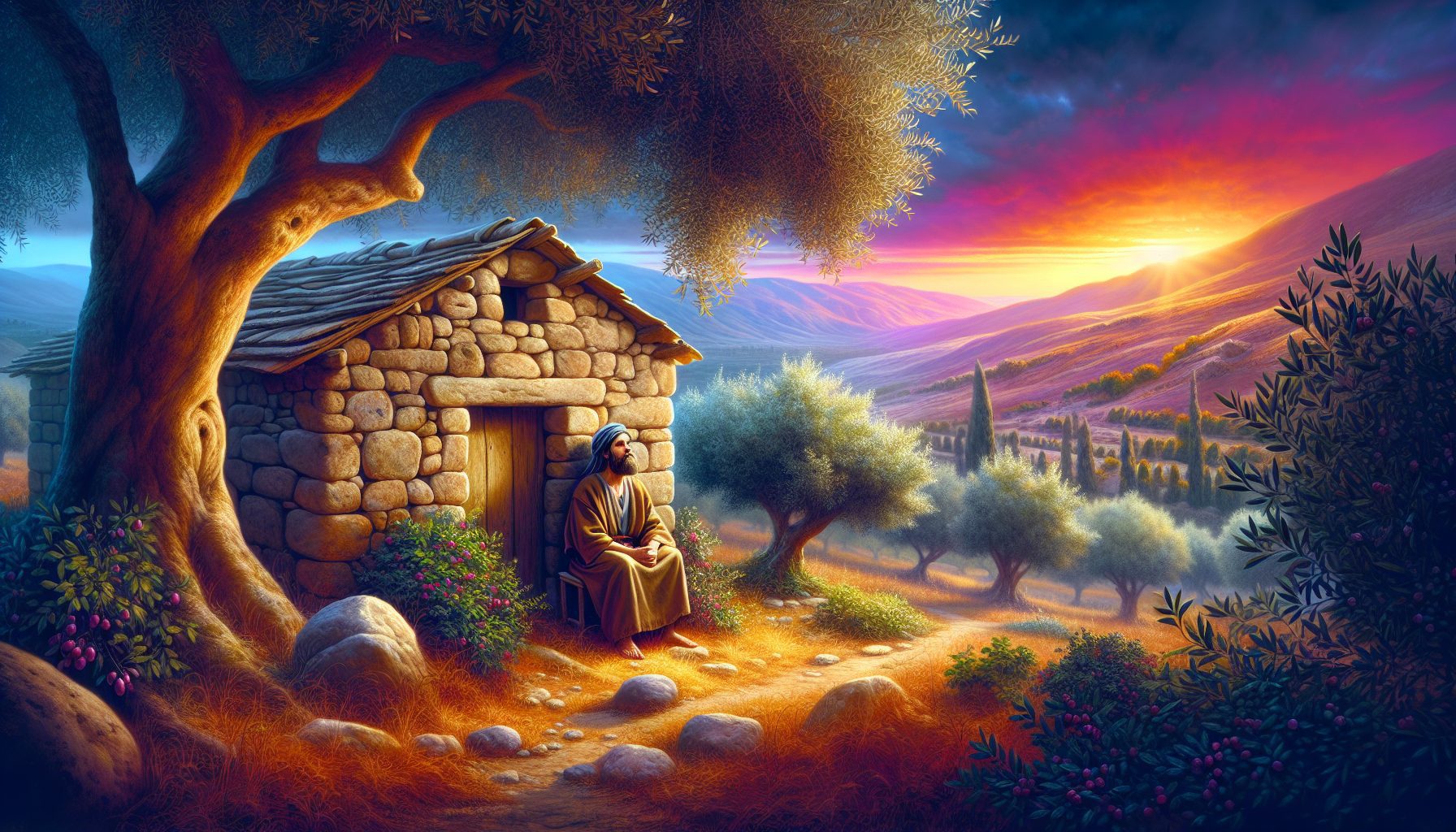
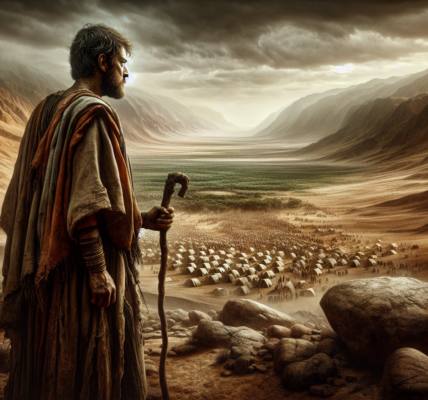
I took to walking at first light, when the mist clung to the canals and the world was not yet fully Babylon. I’d find a spot away from the brick kilns and the muttered prayers to Marduk. One morning, the air different, hushed, I saw the prophet. Not Isaiah—he was dust and memory. This was the one they whispered about. A quiet man from the north, from Galilee of the nations. He wasn’t preaching. He was just… looking. His eyes moved over the muddy canals, the irrigation ditches, the bundled reeds waiting to be woven into baskets or burned.
He walked over to a pile of refuse near a dwelling—ashes, broken pottery, and a few fire-blackened reeds. He bent down, slow, deliberate. He picked one up. It was snapped, its end a splayed and blackened wreck. He held it in his hand, not as a man examines a tool, but as a man recognizes a fellow creature. His thumb brushed the scorched part, a gesture so tender it made my throat tighten. He didn’t break it further. He just held it.
And a word, long buried in the scroll of my memory, surfaced: “A bruised reed he will not break.”
It was from Isaiah. A line about a servant, God’s chosen one. We’d argued over it in Jerusalem, debating whether it spoke of the nation or a king to come. We pictured a warrior, a triumphant branch from Jesse’s stump. We never pictured this: a man in simple wool, his face lined with a compassion that seemed older than the rivers, cradling a piece of trash.
He lifted his head then, and his gaze met mine. It wasn’t an invitation, nor a challenge. It was an acknowledgment. He saw the burnt reed in my own soul. He turned and walked along the canal path, and I, drawn by a force quieter than prophecy, followed at a distance.
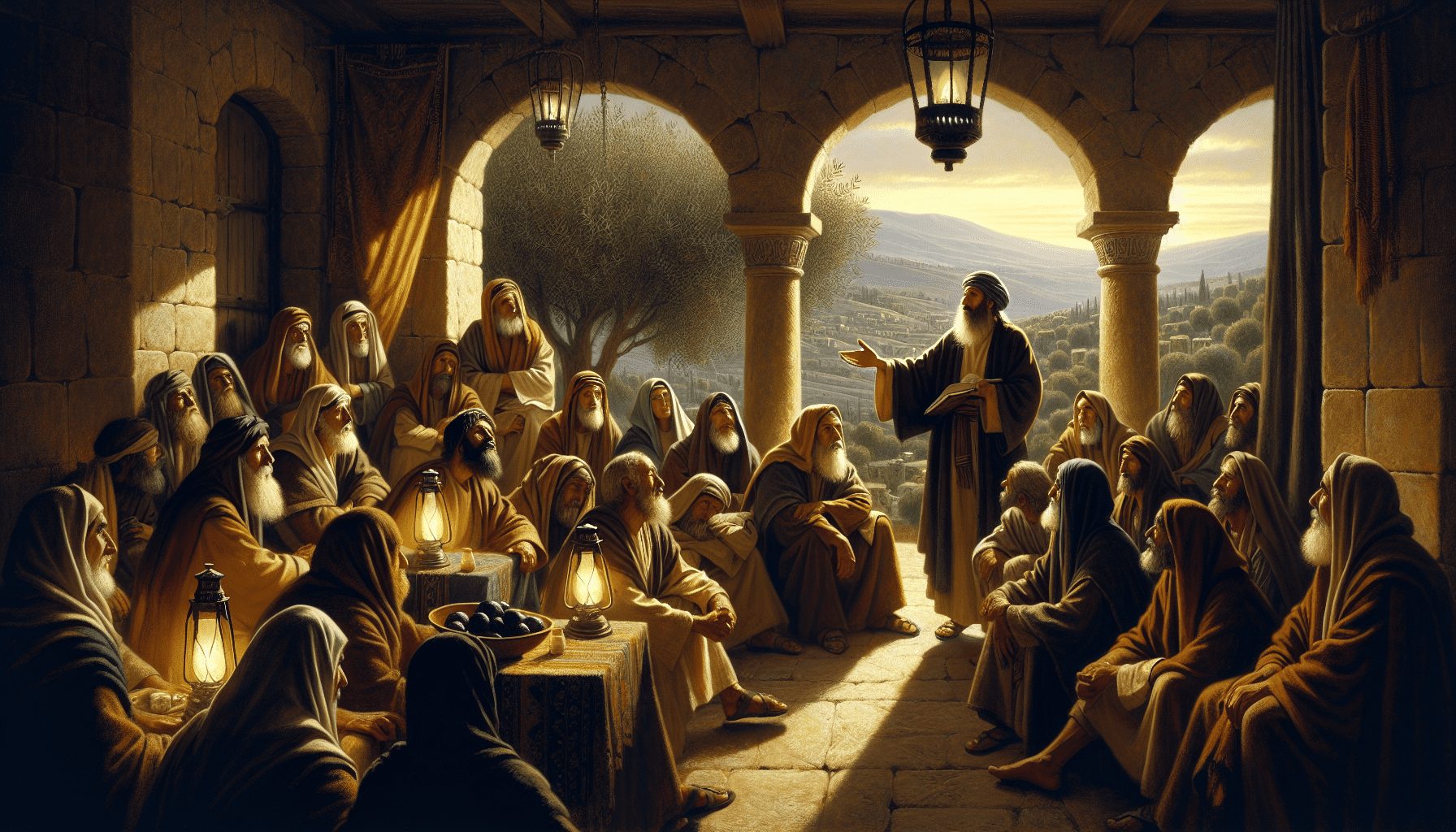
We came to a place where the poor gathered, the ones broken by Babylon’s weight: a blind beggar tapping his stick, a woman with a tremor in her hands so severe she couldn’t draw water, a man whose mind was a prison of wailing shadows. The prophet stopped here. This was his forum. No temple mount, no palace square. Just the dust where the broken waited.
He didn’t shout declarations. His voice was low, carrying just far enough. He spoke of justice, but not the kind wielded by empires with swords and decrees. This was a justice that came like the dawn—slow, persistent, inevitable. It was for the nations, he said, a light too gentle to blind, but too steady to be quenched by any darkness. He spoke of opening eyes that were blind, of leading prisoners from dungeons not of stone, but of fear.
And then he did it.
He knelt before the blind man. He didn’t recite an incantation to Yahweh. He mixed his own spit with the dust of Babylon to make a paste of holy mud. As he applied it, he spoke to the man as a person, not a testament. “What do you see?” A conversation. A partnership in healing. When the man’s sight returned, blurry then clear, the first thing he saw was the face of the one who had not broken him. The servant.
He took the trembling woman’s hands in his. The violent shaking stilled, not with a jerk, but like a sea settling after a storm. The peace traveled up her arms, into her shoulders, and she wept without a sound.
The madman, they brought him, bound. The servant stood before his raging silence. He didn’t command the spirit with roaring authority. He spoke a word, a single, clear word that cut through the cacophony in the man’s head like a blade of pure silence. The man slumped, then sat up, his eyes weary but sane. He was free, not with the fanfare of chains breaking, but with the profound quiet of a door opening after a long imprisonment.
I stood there, a priest of the unseen God, and I understood. This was the servant. Not a king on a warhorse, but a healer in the dust. His power was not in crushing the foe, but in fortifying the fragile. His law was not engraved on stone for the righteous, but whispered in the heart of the forgotten. He would not shout in the streets for his own cause. His voice was for their healing.
He would not let the smallest spark of hope be extinguished. The wick, guttering, nearly out, soaked in the tears of exile—he would not snuff it. He would cup his hands around it and breathe, gently, until it burned again with a clear, steady flame.
I looked down at my own hands, which had only known how to handle sacred objects now lost. They were empty. But as I watched him move among the broken, a strange, fierce hope, fragile as a reed yet unbreakable, took root in my own ash-filled soul. The servant had come. And he was making all things new, starting with the pieces everyone else had thrown away.