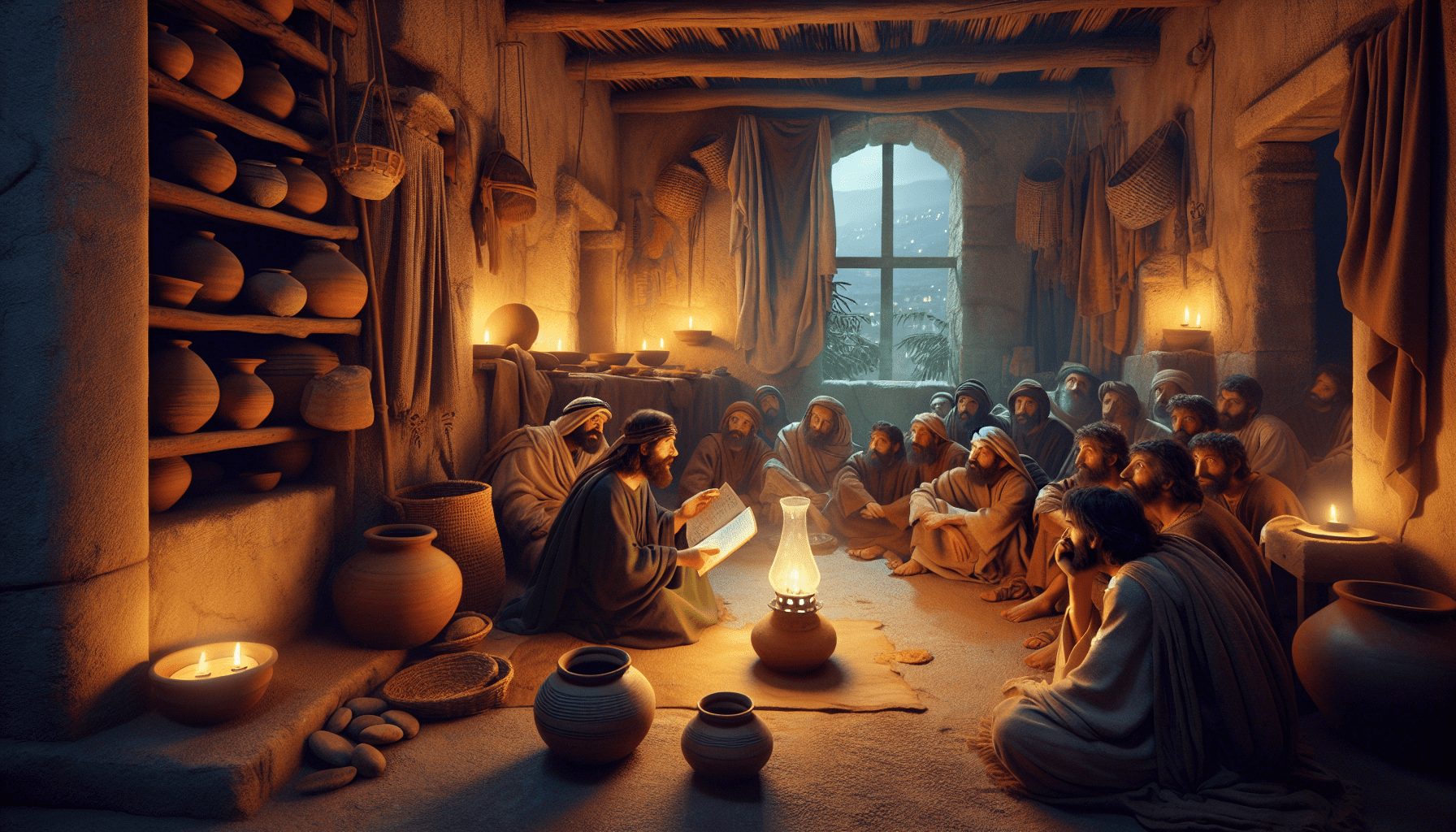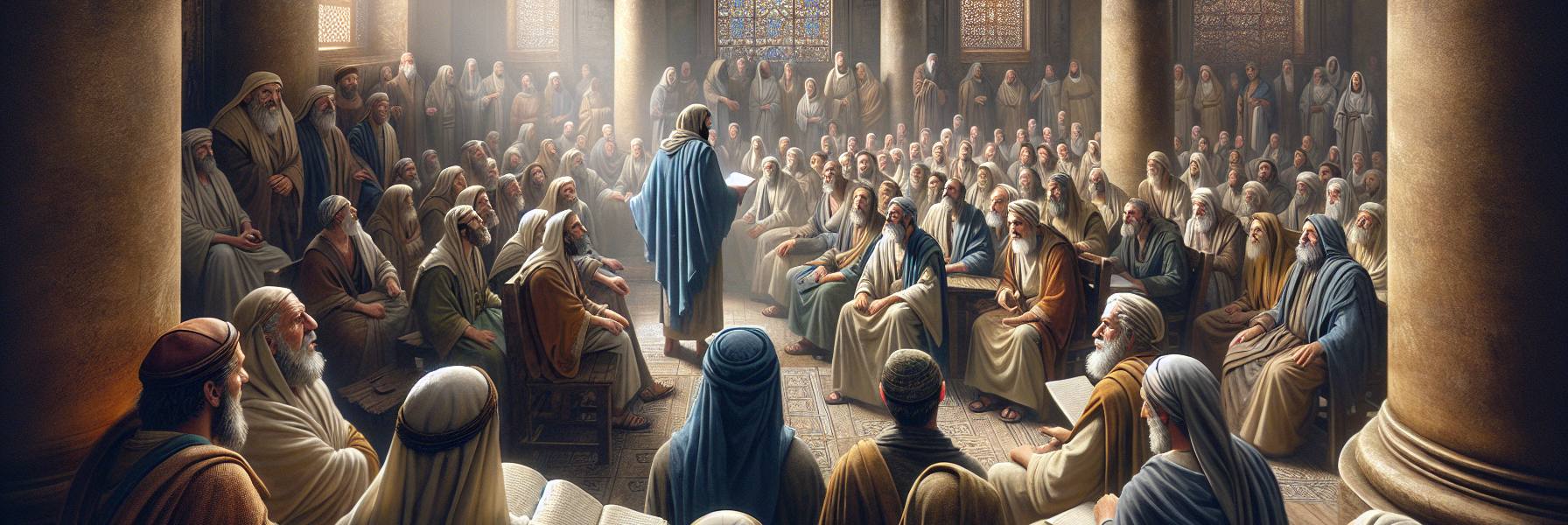

The air in the Antioch synagogue was thick, not just with the heat of many bodies pressed into the dim space, but with a peculiar tension. It was the Sabbath, and after the readings from the Law and the Prophets, the customary invitation had been extended. The rulers of the synagogue, men with worn hands and careful eyes, sent a message to the small group of believers who often gathered near the back. “Brothers,” the messenger said, his voice low, “if you have any word of exhortation for the people, speak.”
There was a pause. Barnabas, a man whose very presence felt like a steadying hand on the shoulder, glanced at Saul. Saul of Tarsus was thinner, sharper somehow, his face a landscape of intense thought and old scars. For a year they had worked here, teaching, arguing quietly in the marketplace, gathering a community that was a strange and beautiful mosaic of Judean and Greek. Now, this was different. A formal invitation. An open door.
Barnabas nodded, almost imperceptibly. Saul rose. The rustle of his simple tunic seemed loud. He didn’t move to the front with a performer’s gait, but walked as a man carrying a weight, a necessary weight. He held up a hand for silence, a gesture that was request, not command.
“Men of Israel,” he began, his voice rougher than expected, carrying the gravel of many roads, “and you who fear God.” His eyes swept the room, acknowledging the Gentiles who had attached themselves to the synagogue, seeking the One God. “Listen.”
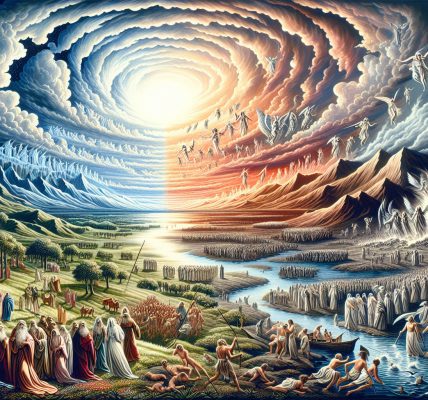
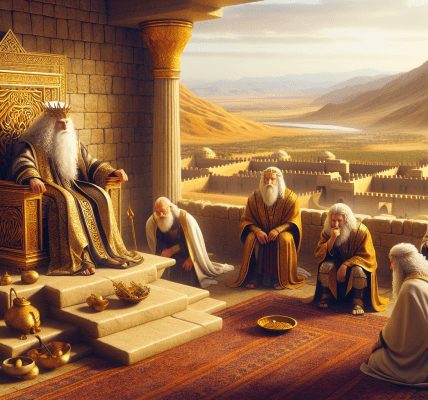
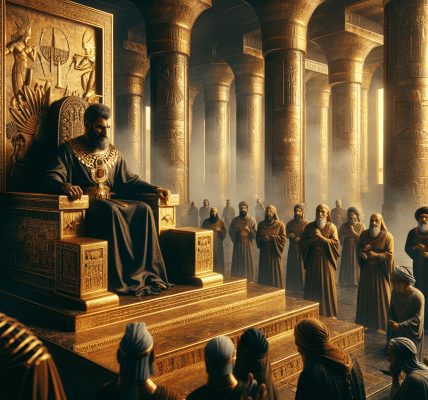
What followed was not a lecture, but a story told with the urgency of a man connecting shattered pieces. He started with the choosing of their fathers, with the sojourn in Egypt. He spoke of the wilderness and the judges, his words painting not just heroes, but the relentless, patient pursuit of God for a stiff-necked people. He spoke of Saul the son of Kish, the king they asked for, and then of David, the man after God’s own heart. “And from this man’s offspring,” Saul said, his finger tracing an invisible line in the air, “God has brought to Israel a Savior, Jesus, as he promised.”
The room was utterly still. He told of John’s baptism, of John’s own confession that he was not the One. Then, fixing them with a gaze that seemed to see each individual heart, he delivered the core of it. “Brothers, sons of the family of Abraham, and those among you who fear God—to us has been sent the message of this salvation. For those who live in Jerusalem and their rulers, because they did not recognize him nor understand the utterances of the prophets which are read every Sabbath, fulfilled them by condemning him.”
He didn’t spare them. He described the tree, the nails, the darkness. But he didn’t linger there. “But God raised him from the dead,” he said, and the words hung in the air, a fact stated not as a theory but as the turning point of all history. “And for many days he appeared to those who had come up with him from Galilee to Jerusalem, who are now his witnesses to the people.”
Then came the thunderclap, the stitching of the story directly to this moment, in this room. “And we bring you the good news that what God promised to the fathers, this he has fulfilled to us their children by raising Jesus.” He quoted the Psalms, the prophet Isaiah, weaving a net of scripture around them from which there was no escape except through belief. “Let it be known to you therefore, brothers, that through this man forgiveness of sins is proclaimed to you, and by him everyone who believes is freed from everything from which you could not be freed by the law of Moses.”
He finished. The silence was not peaceful; it was charged, like the moment before a storm breaks. Some faces were alight with a dawning, terrible hope. Others had shut down, walls of tradition and offense slamming into place. As they left the synagogue, the people begged them—some eagerly, some with a desperate confusion—to speak of these things again the next Sabbath.
That week, the city seemed to hum with the news. The following Sabbath, it felt as if the whole city had gathered to hear the word of the Lord. When Saul and Barnabas arrived, they saw the crowds, but they also saw the set jaws and cold eyes of the leading Judeans. As Saul began to speak, the opposition coalesced. It began with muttered contradictions, then open disputes. They blasphemed, their voices cutting across his.
Finally, Saul and Barnabas turned to face them squarely. Their manner changed. The invitation was over. “It was necessary that the word of God be spoken first to you,” Saul said, his tone now carrying a finality that chilled the air. “Since you thrust it aside and judge yourselves unworthy of eternal life, behold, we are turning to the Gentiles.” He quoted Isaiah to them, a damning, glorious prophecy: ‘I have made you a light for the Gentiles, that you may bring salvation to the ends of the earth.’
The effect was electric. The Gentiles in the hearing rejoiced. They glorified the word of the Lord. And as for those who had been appointed to eternal life, they believed. The word of the Lord spread through the whole region.
But the opposition hardened into a sharp, poisonous point. The influential men and women of the city, stirred up by the offended Judean leaders, incited a persecution. It was no longer about debate; it was about expulsion. They drove Saul and Barnabas out, not with quiet pressure, but with public disgrace.
As they crossed the city boundary, the dust of Antioch coating their sandals, they did something that seemed strange to any watching. They stopped, and shook the dust from their feet. It was a solemn, prophetic act, a testimony against those who had rejected the testimony. Yet their faces were not grim with bitterness, but filled with a kind of fierce joy. They were not defeated; they were released. The road ahead was clear.
They went to Iconium, and the disciples left behind in Antioch were, curiously, filled with joy and with the Holy Spirit. The story, it seemed, was only just beginning. And Saul, as he walked the long road east, felt the weight of the old name—Saul, the persecutor—sloughing off him with every step. A new name, for a new mission to a new world, was waiting to be spoken. Paul, they would call him. The Apostle to the Nations. But that was a story for the next town, and the next. For now, there was only the road, the dust, and the undeniable, dangerous, glorious word they carried.