Paul opens the fourth chapter of his first letter to the Thessalonians with a direct exhortation. He does not praise them for what they have already done and then stop. He urges them to abound more and more in the walk they have received. The charge is not new; it came through the Lord Jesus, and the Thessalonians already know it. Paul’s task is to press them further, not to introduce a different standard.
The will of God, Paul writes, is their sanctification. That word carries immediate weight. Sanctification means being set apart, and Paul gives it a specific, concrete shape: abstain from fornication. This is not a vague moral ideal. It is a command about the body, about how a man possesses his own vessel in sanctification and honor, not in the passion of lust. Paul draws a sharp line between the Thessalonians and the Gentiles who do not know God. The contrast is not cultural but theological. Ignorance of God produces one kind of life; knowledge of God produces another.
Paul adds a warning. No one is to transgress or wrong his brother in this matter. The Lord is an avenger in all these things. Paul reminds them that he forewarned them and testified to this when he was with them. The stakes are not merely social. God called them not for uncleanness but in sanctification. To reject this instruction is not to reject a human opinion but God himself, the one who gives his Holy Spirit to them. The Spirit is the mark of their calling, and the calling is to holiness, not to impurity.
Then Paul shifts tone. Concerning love of the brethren, he says, they have no need for him to write. They are taught by God to love one another, and they already practice this love toward all the brethren throughout Macedonia. Yet again Paul presses: abound more and more. Love is not a finished work. It is a growing reality. Paul ties this love to a quiet, steady life. He urges them to study to be quiet, to mind their own business, to work with their hands as he charged them. The purpose is practical: that they may walk becomingly toward outsiders and have need of nothing. Holiness and love are not abstract; they show up in how a man earns his bread and how he treats those outside the church.
Paul then addresses a question that has troubled the Thessalonians. He does not want them to be ignorant concerning those who fall asleep. The phrase is gentle, but the grief behind it is real. They are sorrowing as if there were no hope. Paul corrects this. If they believe that Jesus died and rose again, then God will bring with Jesus those who have fallen asleep in him. The resurrection of Christ is the guarantee. Death does not sever the believer from the Lord.
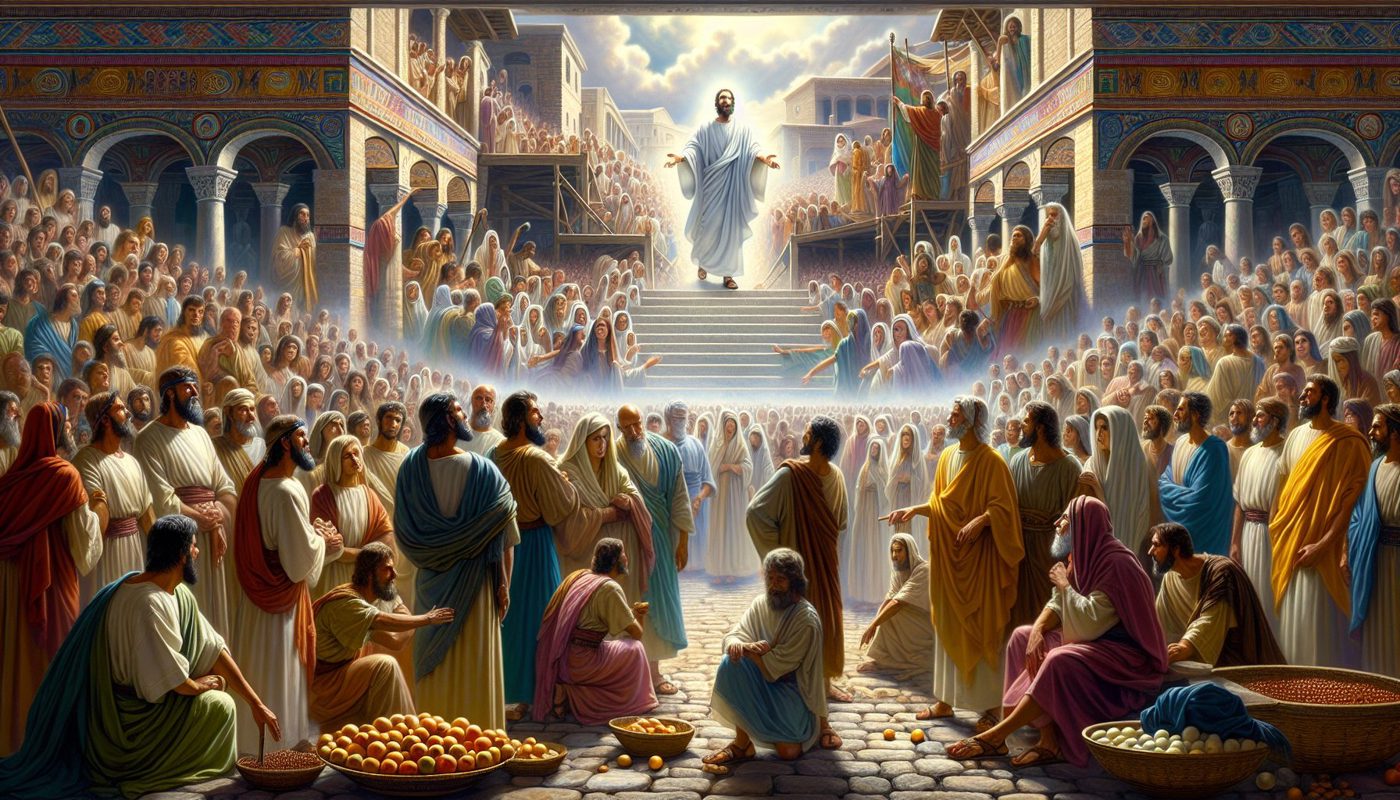
Paul delivers a specific word from the Lord. Those who are alive at the coming of the Lord will not precede those who have fallen asleep. The Lord himself will descend from heaven with a shout, with the voice of the archangel, and with the trumpet of God. The dead in Christ will rise first. Then those who are alive will be caught up together with them in the clouds to meet the Lord in the air. And so they will always be with the Lord. The sequence is clear. The dead are not left behind. They rise first, and the living join them.
Paul ends the passage with a command. Comfort one another with these words. The chapter is not a theological lecture delivered in isolation. It is a pastoral response to real grief and real confusion. The comfort is not vague sentiment. It is the specific promise that the dead in Christ will rise, that the living will meet them and the Lord, and that the final state is permanent presence with him. That is the hope Paul gives, and he tells them to use it on one another.
Comments
Comments 0
Read the discussion and add your voice.
Members only
Sign in to join the conversation
We keep comments tied to real accounts so the discussion stays clean and trustworthy.
No comments yet. Be the first to add one.